Everything You Need to Know About PoE Motion Sensors and Switches

As the name suggests, a PoE Motion Sensor is a kind of light and motion sensor that is networked and powered by PoE. This standalone motion detector is cloud-connected. The dual motion sensor can respond to both light and motion and is configured for light threshold and motion sensitivity. One sensor can control several lights and many sensors can control one light. What are the perks of ordering a PoE sensor? Here’s all you need to know to determine whether it will be useful or not:

The Benefits of Investing in a PoE Cloud Motion Sensor 

Can be Configured Via Mobile Apps- Configuring PoE motion sensors is quite easy with the help of specialized apps that users download on their smartphones. Once you program the sensor that comes with a POE Switch Power Adapter, you can make the necessary changes in sensitivity settings and the timer to meet your unique requirements. 

Angle Adjustment- They have unique designs for ceiling and wall mount. You can adjust the head up and down at diverse angles. This feature offers you the ease of getting optimal angle adjustment for the best results.

Determine How the Sensor Will be Triggered- Many of these devices give users the autonomy to decide how the sensor will be triggered. So, you will be free to monitor whether the sensor will be triggered by light conditions or motion, or both. 

Multi-light Control- Gone are the days when one light or motion sensor could control one single light, the one attached to it. The advanced PoE light sensors these days can control various lights.

To Sum Up 

In conclusion, WiFi Indoor Positioning is of great use in many industries. The PoE motion sensors are even more powerful in enhancing the safety features of your home and office. 

What Are the Technologies Commonly Found in the Hospitality Sector?

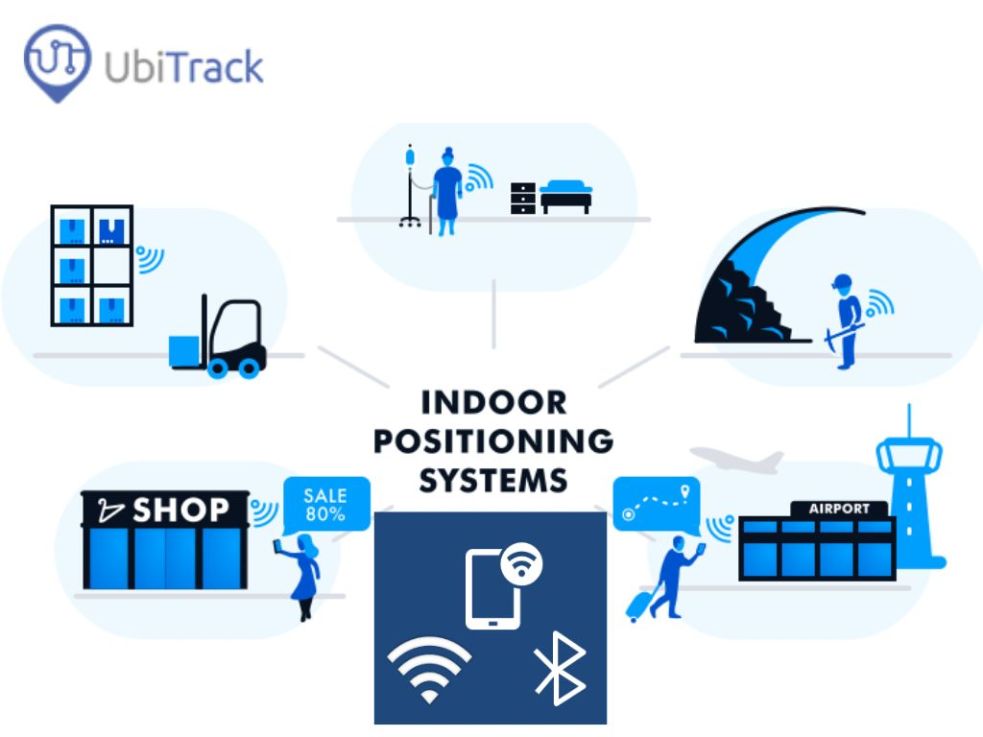
Indoor Positioning System has benefited many industries and the hospitality sector is one of them. As it is cost-effective and easy to install, many hotels around the globe have already started relying on it for asset tracking and other facilities. Here are some of the latest technologies that you will find in modern hotels: 

  • Automated Check-In- This is an advanced system that helps guests complete the check-in process smoothly. A fully automated check-in process is convenient for all. Guests can avoid standing in the queue at the hotel’s reception desk. They can simply collect the keys to their respective rooms from the self-service stations. Automated check-in is of great use in airports as well.
  • Smart Rooms– Smart rooms come with a variety of interesting features such as smart thermostats, digital water temperature valves and sensors, automated lighting, motorized shades and curtains, and digital food menus. 
  • Asset Tracking– Thanks to the Indoor Navigation Positioning System, asset tracking has never been easier. It can IoT-based hotel that is equipped with asset tracking technologies, and the service staff can track objects like cleaning carts and luggage racks. Thanks to real-time monitoring, hotels can now streamline housekeeping tasks. 
  • Smart Locks– Just like a Heart Rate Monitoring Smart Watch helps people monitor their heart rate, smart locks improve safety. Guests can simply use an app as their room keys. So, this replaces the need for a traditional key card. Integrated security devices can be connected together and programmed as per various protocols. For instance, if there is a security threat, the device will instantly trigger door locks, emergency lighting, and audio alerts. 

Wrapping Up 

In the coming years, many more IoT trends will emerge in the hospitality sector. IoT is growing at a fast pace, and it is opening novel paths for hotels.

How Can Your Smart Watch Keep Your Heart Healthy?

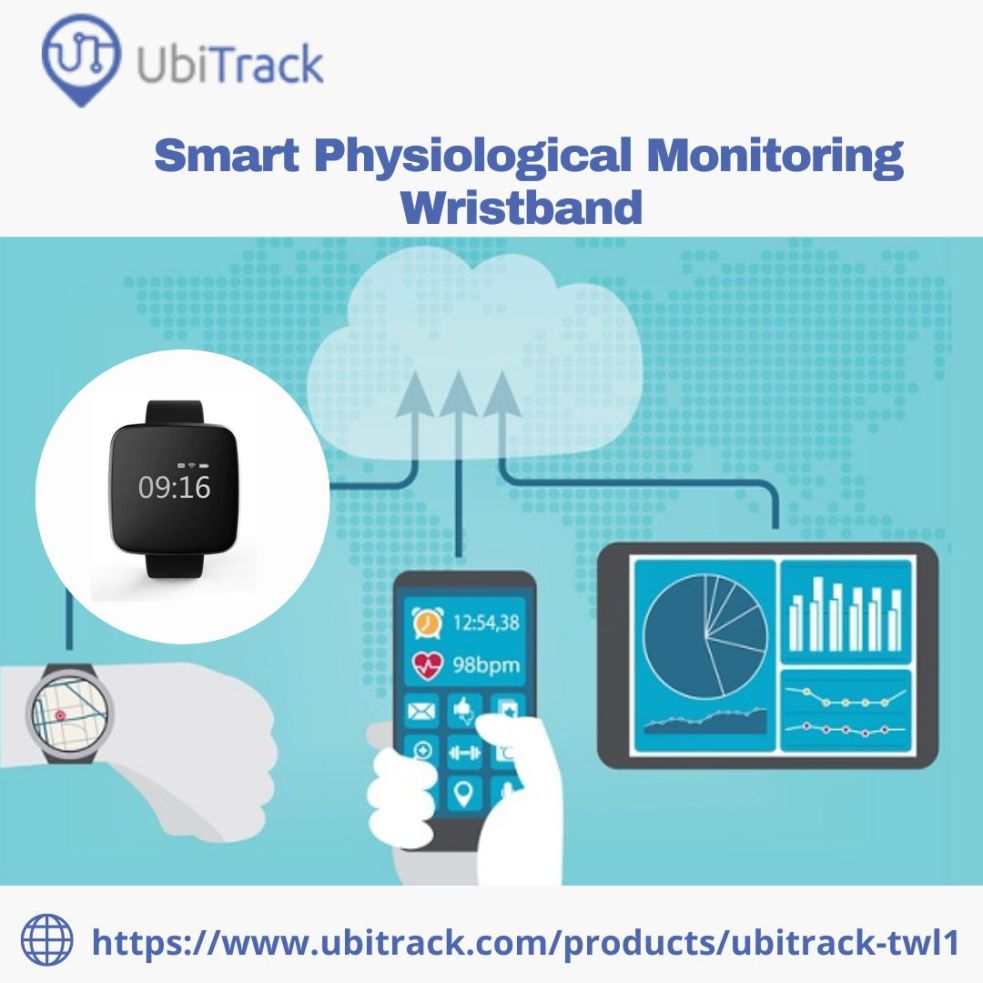
Ever since their introduction, smartwatches have never stopped evolving. Earlier they were considered fashion accessories. But today, your smart watch can be the best friend of your health. From recording your sleep duration to tracking the number of steps you take daily; smartwatches can perform a range of functions. You can also wear a Heart Rate Monitoring Smart Watch and keep heart ailments like strokes at bay.

Heart rate monitoring with the help of smartwatches has become a common practice these days. The purpose of this technology is to help people monitor their heart health so that several cardiovascular diseases can be prevented. Modern Heart Rate Monitor Wristband comes with a wide range of heart-rate tracking features. From monitoring your heartbeat all day to alerting you whenever the heart rate spikes up unexpectedly, a smartwatch makes it easy for you to look after your heart. 

Wearable devices that have the heart rate calculating feature are used for promoting fitness and health. For instance, if you are working out at the gym, it will track your heart rate and get an accurate result. Even if many people have the misconception that these devices are meant for athletes, anyone can benefit from a heart rate measuring wearable. Just like RFID Positioning System tracks people and objects with the help of radio frequency, an IoT-based smartwatch is a kind of medical wearable that provides patients the information they require for achieving desired health outcomes. 

To Sum Up 

So, wearing a smartwatch that accurately captures your heartbeat makes sense. As it displays a person’s heart rate in real-time, it is possible to seek medical help and save a person’s life.  In addition, you can also be mindful of an ergonomic monitor position when you are at work to shield your body from several conditions like posture problems.

Know Everything About Indoor Positioning with the Help of Ultra-Wideband

In industrial environments, indoor tracking often needs extremely precise localization. So, industries need solutions that are based on UWB, a short-range radio technology. Even if it doesn’t work with Bluetooth, Wi-Fi, and other consumer standards, UWB Outdoor Positioning and indoor positioning offer remarkable accuracy.

The Functionality of Indoor Positioning with Ultra-Wideband Technology 

Ultra-wideband is of great use in indoor positioning. As opposed to Wi-Fi and Bluetooth Low Energy, positioning in UWB is done mainly with transit time technique instead of measuring signal strengths. This method is capable of measuring the running time light takes to reach from one object to several servers. So, multiple receivers are required for the exact localization of any item. In addition, the line of sight between the transmitter and the receiver must be direct.

UWB, as a wireless positioning system technology, is ideal for both server-based positioning and client-based positioning. While indoor navigation is a type of client-based positioning, asset tracking is an instance of server-based positioning. The basic difference between client-based and server-based positioning is that the former enables the determination of the position on a mobile phone. In infrastructure-based positioning, the calculation of positions is reflected on a server.

· Server-based Localization

Ultra-wideband can easily track an object that is fixed in its place. BLE positioning or any other sensor technology can detect the movement phases. This type of Physiological Monitoring Equipment is immensely useful in various industrial environments.

· Client-based Localization

Other than BLE (Bluetooth Low Energy), you can also use Ultra-wideband as a tool for client-based positioning on smart phones. It is known for its high-precision positioning along with low latency.

Wrapping Up

The bottom line is to remember that UWB can deliver fast and amazingly intact positioning. So, with this smart indoor navigation system, you can get ahead of your business rivals.