
GPS has revolutionized outdoor navigation, but it struggles in indoor environments. Walls, floors, machinery, and interference weaken signals, resulting in poor accuracy or complete signal loss. For organizations operating inside hospitals, factories, warehouses, airports, or large commercial buildings, this lack of reliable indoor location data creates blind spots that impact efficiency, safety, and decision-making. Indoor operations require a solution specifically designed for enclosed spaces.
Purpose-Built for Indoor Environments
UbiTrack is designed from the ground up to address the challenges of indoor tracking. Using an advanced UWB Indoor Positioning System, it delivers real-time, centimeter-level accuracy that far outperforms GPS in complex environments. Ultra-Wideband technology minimizes interference and maintains consistent precision, even in dense, high-traffic indoor settings where traditional systems fail.
Real-Time Visibility You Can Rely On
With UbiTrack, organizations gain a live, accurate view of people, assets, and equipment across indoor spaces. Real-time visibility enables faster response times, improved coordination, and reduced operational delays. Whether locating critical medical equipment, tracking assets on a factory floor, or monitoring personnel movement, teams always know where resources are when they’re needed most.
From Tracking to Location Intelligence
Beyond simple location tracking, UbiTrack transforms raw position data into meaningful insights. The platform supports real-time visualization, historical playback, and movement analysis, allowing organizations to understand how spaces are used over time. As part of modern RTLS Solutions, this intelligence helps identify inefficiencies, optimize workflows, and support smarter, data-driven decisions.
Flexible, Scalable, and Integration-Ready
Modern enterprises rely on connected systems, and UbiTrack is built to integrate seamlessly into existing digital infrastructures. With flexible architecture and integration-ready APIs, it works alongside enterprise software, analytics platforms, and automation tools. The platform scales easily from a single facility to large, multi-site deployments without locking organizations into rigid hardware or proprietary setups.
Proven Impact Across Industries
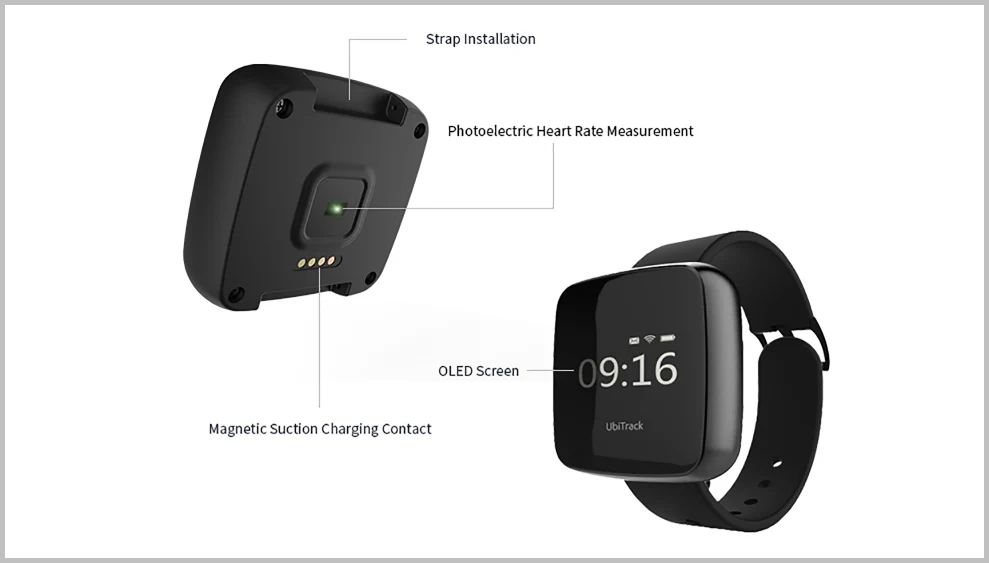
Indoor tracking delivers value across many industries. In healthcare, it improves staff efficiency, reduces equipment search time, and enhances patient safety. In manufacturing and logistics, it supports asset tracking, process optimization, and reduced downtime. In smart buildings and campuses, it enables indoor navigation, occupancy analytics, and intelligent automation. Location data can also be enriched with contextual inputs, such as an Accurate Heart Rate Monitor Watch, to support safety and wellness initiatives.
Enterprise-Grade Reliability and Security
Indoor operations demand reliability. UbiTrack is engineered with enterprise-grade standards to ensure system stability, secure data handling, and consistent performance in mission-critical environments. Organizations can depend on accurate location data without compromising security or uptime.
A Smarter Alternative to Indoor GPS
Indoor spaces are becoming more complex and data-driven, making accurate location intelligence essential. GPS changed outdoor navigation, but it was never built for indoor use. UbiTrack fills that gap, delivering real-time indoor tracking that works better than GPS and empowers organizations to operate with greater visibility, efficiency, and confidence.
 UbiTrack