Advantages and Disadvantages of Ultra-Wideband Technology

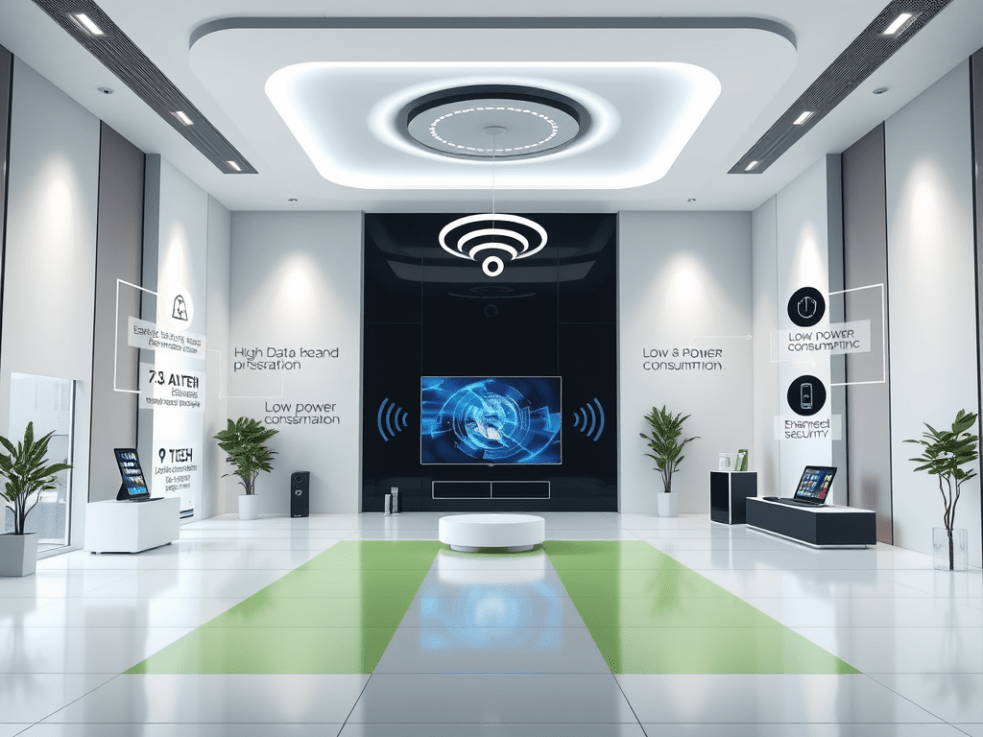
Ultra-Wideband (UWB) is a wireless communication technology that operates over a wide frequency spectrum (typically greater than 500 MHz). Unlike conventional narrowband systems, UWB transmits information by sending short-duration pulses over a wide frequency range, which allows for high data rates and precise positioning capabilities. UWB has gained significant attention in recent years due to its applications in areas such as indoor positioning systems, secure keyless entry, health monitoring, and wireless communication. However, like any technology, UWB comes with both advantages and disadvantages.

Advantages of UWB

High Precision Location Tracking

One of the standout features of UWB is its ability to provide highly accurate location tracking, often within a few centimeters. This makes it ideal for indoor navigation, asset tracking, and smart home applications where precise positioning is crucial. Solutions like UbiTrack have leveraged UWB to offer real-time tracking systems in warehouses, factories, and healthcare environments.

High Data Transfer Rates

UWB can transmit data at very high speeds over short distances. This is particularly useful for high-bandwidth applications such as streaming uncompressed video, wireless USB, and file transfers between devices.

Low Power Consumption

Despite its high data rate, UWB is known for its low power requirements, especially in comparison to other wireless technologies like Wi-Fi or Bluetooth. This makes it well-suited for battery-powered devices such as wearables and IoT sensors.

Resistance to Interference

Due to its wide frequency spectrum and low power spectral density, UWB is less susceptible to interference from other wireless technologies operating in the same environment. This results in more stable connections and improved performance in congested radio environments.

Enhanced Security

The short-range and pulse-based transmission of UWB signals make them more difficult to intercept or jam, offering enhanced security. This is why UWB is increasingly used in applications such as secure vehicle access and contactless payments.

Disadvantages of UWB

Short Range

While UWB excels in data speed and accuracy, its effective range is limited. It performs best over short distances (typically under 10 meters), which restricts its use in long-range communication scenarios.

Limited Adoption and Compatibility

UWB is not as widely adopted as other wireless technologies like Bluetooth or Wi-Fi. As a result, fewer consumer devices support UWB, which can limit its usefulness unless integrated into ecosystems by major manufacturers.

Higher Implementation Costs

The cost of implementing UWB technology, including specialized hardware and infrastructure, can be relatively high. This can be a barrier for small businesses or consumers looking for budget-friendly solutions.

Regulatory Challenges

UWB operates over a broad frequency spectrum that overlaps with other services, which can lead to regulatory restrictions in different countries. This variability can complicate international deployment.

Signal Attenuation and Obstruction

UWB signals can be significantly affected by physical barriers such as walls, metal, and water, which may reduce signal strength or accuracy in real-world environments.

Conclusion

UWB is a promising wireless communication technology with several significant advantages, particularly in precision tracking, high-speed data transmission, and low power consumption. However, its short range, limited adoption, and implementation costs pose challenges to its broader deployment. As UWB continues to be adopted in smart devices and automotive systems, platforms like UbiTrack demonstrate how the technology can be effectively used to create smart, efficient environments. With continued innovation and support from regulatory bodies, UWB has the potential to become a cornerstone of next-generation wireless systems.

The Convergence of Smart Heart Rate Monitors and Ergonomic Workspaces

Using technology and ergonomics daily is one of the best ways to improve our health and efficiency. Wearable heart rate monitors and optimal monitor positions are at the head of this trend. They provide physical health information and ensure healthy, productive workplaces. This blog discusses how to combine these tools to create a workspace that is both productive and healthful.

What Smart Heart Rate Monitors Do for Modern Healthcare?

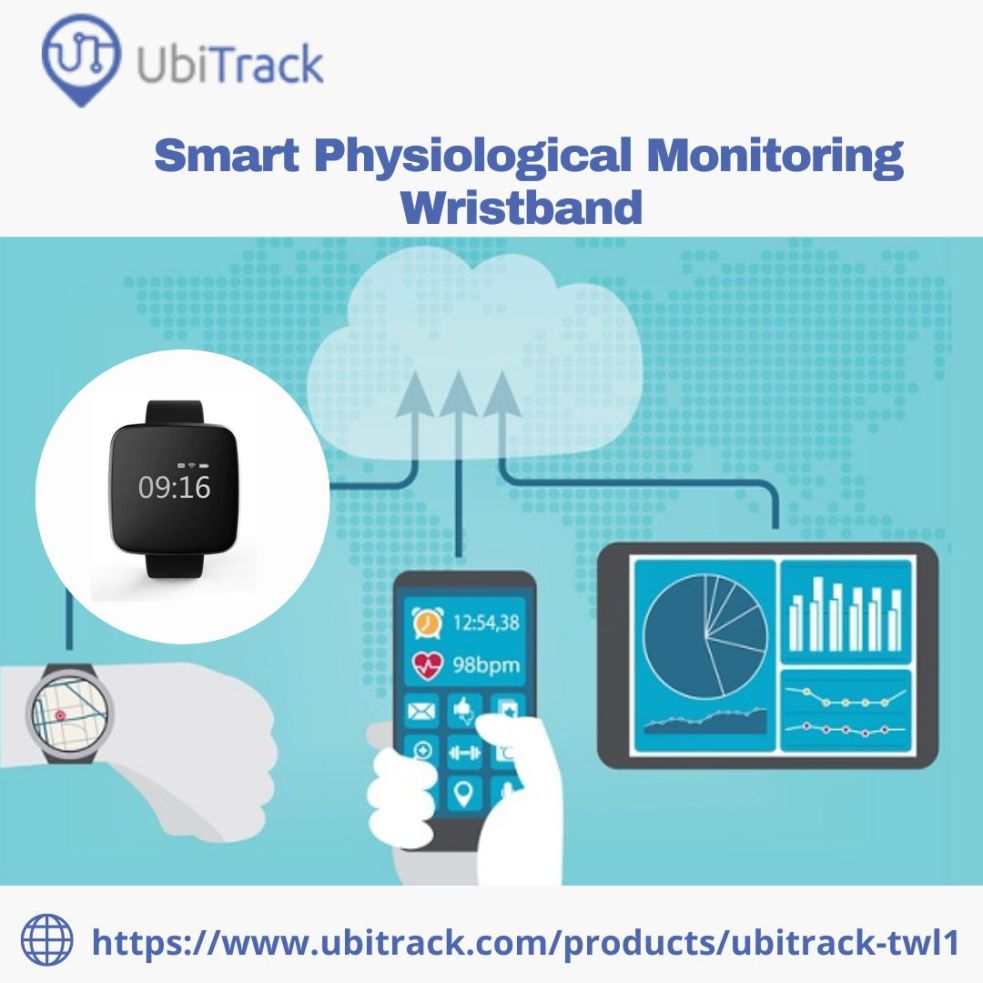
Smart heart rate monitor wristband is more than just a tool for tracking your exercise. They are now full-on health management tools. These devices continuously monitor your heart rate and provide HRV data, indicating your autonomic nervous system’s speed, stress, and healing levels. If they understand HRV, people can match their work and rest times to their body’s natural rhythms, improving their health and productivity.

Putting Together Smart Heart Rate Monitors and Ergonomic Work Areas

●Data-Based Breaks: Track job stress with your smart heart rate watch. When your HRV shows that you are under a lot of stress, take a short break to stretch or do some short workouts that are good for your health. This way of doing things ensures that breaks happen when your body needs them the most, which helps you heal and get more done.

●Customized Ergonomic Alerts: Use smart bracelet technology and ergonomic software that tells you when to change your stance or Ergonomic Monitor Position based on your activity level and heart rate. Your computer may tell you to check your balance and move your monitor to avoid neck pain when you are working hard.

●Activity-Based Desk Design: Use what you learn from your heart rate variability tracker to make your desk more active. For example, if research shows that your heart rate drops significantly when you sit for long, using a standing desk might help. Based on scientific data, this change to the actual setting can help keep the heart rate healthy, improving circulation and brain function.

Why Is Holistic Workplace and Health Design Good?

●Improved Health and Wellbeing: Individuals can enhance their health and well-being by monitoring the outward manifestations of stress and modifying their work environment to reduce stress.

●Increased Productivity: An office that is comfortable for your body and aware of your body’s health cues can help you focus, be creative, and get more done.

●Preventive Steps for Health: Heart rate and HRV can be tracked continuously to help find health problems early and treat them quickly.

Furthermore, the combination of smart heart rate monitors and optimal monitor placement is a big step toward making offices that are not only productive but also good for health and well-being. By using tech to improve design people can make their own workspaces that are good for their health and help them get more done. Work will be more productive, healthy, and durable if we keep using these new technologies.    

What Are The Reasons To Choose Indoor Location Tracking Devices?

Indoor location tracking devices are becoming more and more popular nowadays. Today many malls, airports, corporate businesses, and medical facilities are using these devices. Indoor tracking system are really helpful for business because they help you to know the position of all personnel and assets.

You don’t need to waste time to find out where this person is because you get all the information regarding their location. It’s amazing to use Small Stock Positioning Monitordevices on the valuable assets of your business so that you can keep track of their position. Listed below are the top reasons to invest in location tracking devices for your business.

Provides Actual Information

The finest thing about indoor location tracking devices is that they deliver real-time data about all the processes and activities happening in your workplace. You get the capability to access and comprehend real-time data about the location of a particular asset and persons. The Tamper Proof Wristbands help the business to develop a smart way of welcoming guests and enhancing their experience in your office.

Drives Efficiency

Another reason for using Ultra Wideband Positioning is that they are very helpful in knowing the paths if people don’t know about the location of your office. With the help of a tracking system, they can know the paths and know where the persons they want to meet are located. People are using location tracking devices in hospitals also for customer convenience.

Perfect for Tracking Assets

We all know that managing assets in large locations is quite challenging. If you lose any important assets then it can prove to be problematic for your business. There are some assets that are very valuable for the organization. With the help of an indoor positioning system, you can spot where the asset is located and even track its movement on the premises.

Check Out The Top-Notch Advantages Of Indoor Positioning Systems!

Indoor positioning systems have become very popular and are the best solutions for larger venues and areas. It is a technology that is meant to be used for tracking the people, objects, and other equipment in a particular area. You might not know but wireless indoor positioning sensor allow you to have navigation, mapping, asset tracking, and movement of one person or object from one place to another.

You can easily get real-time info about any person or object’s location at any moment with the help of indoor positioning systems. If you don’t know much about indoor positioning systems then you should take a look at the advantages of these systems.

Provides actual info!

You can get real-time information about anything that is happening in your office area by using the indoor positioning Software Starter Kit. People are using indoor positioning systems to know every detail about the crucial assets in their offices. You can find out the location of different objects and personnel at a precise time by deploying indoor positioning systems in your area.

Configuration of alerts!

Another amazing advantage of using a GPS Indoor Positioning System is that they can configure the alerts whenever there is a triggering situation. You will get instant alerts on your mobile through mail or text. You can also opt for setting an audible alarm so that it sounds whenever a highly expensive or crucial asset passes through the exit of your office area.

No chances of mistakes!

The indoor positioning systems have an automated tracking feature which makes them much more efficient than manual tracking. The Heart Rate Monitor Wristband removes any kind of human-made error so you can use it for the elimination of any mistakes. The indoor positioning system Bluetooth can issue alerts whenever valuable items are moving from the defined area in your office. The best thing is that it provides a quicker incidental response to the user.

Balancing Life’s Rhythm: Harnessing the Power of Accurate Heart Rate Monitor Watch

 Finding balance in our life is crucial for our well-being in the fast-paced and demanding environment we live in.  It’s simple to get caught up in the daily grind in the midst of our busy lives and unwittingly neglect our bodies’ requirements, which can lead to increased stress, weariness, and health issues. Fortunately, technology has given us valuable tools to take charge of our health, one of which is the heart rate monitor watch. In this blog, we will explore the transformative potential of this wearable device is revolutionizing our approach to a healthier lifestyle by unlocking the secrets of our Heart Rate Monitor Wristband. By gaining profound insights into our body’s responses, we can find true harmony and take proactive steps towards improved well-being.

Understanding Heart Rate Variability 

Before delving into the benefits of a heart rate monitor watch, let’s first understand what Heart Rate Variability Tracker is. The variation in the space between successive heartbeats is referred to as HRV. Rather than having a constant rhythm, a healthy heart naturally exhibits slight variations in the time between beats. 

The Power of Accurate Heart Rate Monitor Watches

Innovative wearables and heart rate monitors provide fast access to vital information. These sophisticated devices use advanced sensors to measure the time between heartbeats with precision. 

1. Stress Management and Relaxation

The potential of an heart rate monitor watch to help with stress management is one of its main advantages. The device can track your HRV, which serves as a reliable indicator of your stress levels. You can take proactive measures to control stress by being aware of your stress tendencies.

When you notice your HRV decreasing, it’s a sign that your body is under stress. The watch can remind you to take a break, practice deep breathing, or engage in mindfulness exercises to promote relaxation. This can help you develop stress resistance over time and enhance your general wellbeing.

2. Optimal Fitness and Training

Whether you are an athlete or just trying to maintain a healthy lifestyle, a heart rate monitor watch can be an invaluable fitness companion. You may assess the difficulty of your activities and improve your training regimen by keeping an eye on your heart rate and HRV while you work out.

3. Sleep Quality Enhancement

An accurate heart rate monitor watch can help improve your sleep quality by tracking you the night. By understanding how well you recover during sleep, you can identify factors that may be affecting your rest, such as late-night caffeine consumption or stress-inducing activities before bedtime.

Conclusion

If you want to achieve a better lifestyle and balance your daily rhythm, incorporating Physiological Monitoring Equipment into your life can be a game-changer. You can start along the path to a more well-balanced and meaningful existence with the aid of technology. 

What Are the Technologies Commonly Found in the Hospitality Sector?

Indoor Positioning System has benefited many industries and the hospitality sector is one of them. As it is cost-effective and easy to install, many hotels around the globe have already started relying on it for asset tracking and other facilities. Here are some of the latest technologies that you will find in modern hotels: 

  • Automated Check-In- This is an advanced system that helps guests complete the check-in process smoothly. A fully automated check-in process is convenient for all. Guests can avoid standing in the queue at the hotel’s reception desk. They can simply collect the keys to their respective rooms from the self-service stations. Automated check-in is of great use in airports as well.
  • Smart Rooms– Smart rooms come with a variety of interesting features such as smart thermostats, digital water temperature valves and sensors, automated lighting, motorized shades and curtains, and digital food menus. 
  • Asset Tracking– Thanks to the Indoor Navigation Positioning System, asset tracking has never been easier. It can IoT-based hotel that is equipped with asset tracking technologies, and the service staff can track objects like cleaning carts and luggage racks. Thanks to real-time monitoring, hotels can now streamline housekeeping tasks. 
  • Smart Locks– Just like a Heart Rate Monitoring Smart Watch helps people monitor their heart rate, smart locks improve safety. Guests can simply use an app as their room keys. So, this replaces the need for a traditional key card. Integrated security devices can be connected together and programmed as per various protocols. For instance, if there is a security threat, the device will instantly trigger door locks, emergency lighting, and audio alerts. 

Wrapping Up 

In the coming years, many more IoT trends will emerge in the hospitality sector. IoT is growing at a fast pace, and it is opening novel paths for hotels.

How Can Your Smart Watch Keep Your Heart Healthy?

Ever since their introduction, smartwatches have never stopped evolving. Earlier they were considered fashion accessories. But today, your smart watch can be the best friend of your health. From recording your sleep duration to tracking the number of steps you take daily; smartwatches can perform a range of functions. You can also wear a Heart Rate Monitoring Smart Watch and keep heart ailments like strokes at bay.

Heart rate monitoring with the help of smartwatches has become a common practice these days. The purpose of this technology is to help people monitor their heart health so that several cardiovascular diseases can be prevented. Modern Heart Rate Monitor Wristband comes with a wide range of heart-rate tracking features. From monitoring your heartbeat all day to alerting you whenever the heart rate spikes up unexpectedly, a smartwatch makes it easy for you to look after your heart. 

Wearable devices that have the heart rate calculating feature are used for promoting fitness and health. For instance, if you are working out at the gym, it will track your heart rate and get an accurate result. Even if many people have the misconception that these devices are meant for athletes, anyone can benefit from a heart rate measuring wearable. Just like RFID Positioning System tracks people and objects with the help of radio frequency, an IoT-based smartwatch is a kind of medical wearable that provides patients the information they require for achieving desired health outcomes. 

To Sum Up 

So, wearing a smartwatch that accurately captures your heartbeat makes sense. As it displays a person’s heart rate in real-time, it is possible to seek medical help and save a person’s life.  In addition, you can also be mindful of an ergonomic monitor position when you are at work to shield your body from several conditions like posture problems.

Ultra-wideband Technology for Outdoor and Indoor Tracking and Positioning

The past few years have witnessed phenomenal technological growth. Tracking and positioning technologies are the biggest examples of advancements in the field of technology. So, how does the ultra-wideband technology function and why do you need a UWB Watch

In simple words, Ultra-wideband is a wireless communication system that has several similarities to WiFi. It relies on a vast range of radio signals for determining location and distance with impressive accuracy. The uniqueness of these signals lies in the fact that are like short pulses, thus termed ‘pulse radios.’

How is UWB Different From WiFi?

Unline devices with WiFi or Beacons, UWB does not depend on signal strength for calculating an object’s position. It calculates the position of humans or items based on the time taken by the signal to travel from the tag attached to the object to the nodes installed in specific positions. 

How Useful is UWB for Outdoor Positioning? 

Ultra-wideband is known for its excellent level of precision. Several industries rely on Uwb Positioning Outdoor and indoor tracking and the accuracy can be between 10cm and 30cm. The accuracy depends on the number of UWB nodes installed as well as the environmental conditions of the space in which the nodes are deployed. If there are fewer disturbances and more nodes in an area, the more precise tracking will be. 

Benefits of UWB

  • As mentioned already, UWB is preferred by organizations for its accuracy.
  • UWB is noise resistant, and it doesn’t interfere with other existing communication systems.
  • UWB signals do not need too many nodes and they are perfect for lock distance tracking, making them ideal for big spaces like airports and malls. Employees can wear a Non-Removable Tracking Bracelet to be tracked easily.

Another reason why the Ultra-wideband is widely used for outdoor tracking is that it’s waterproof. So, you can expect accurate positioning even in the monsoon season. 

How Internet of Medical Things Are Gaining Popularity In The Healthcare Sector

From standing in lines for a doctor’s call to just video calling doctors for advice, the healthcare sector has developed considerably. Today, the healthcare industry, in collaboration with technology, is enhancing patient care in a variety of ways by coming up with Smart Heart Rate Monitor Wristband, Heart Rate Variability Tracker, and so on. Healthcare IoT which is popularly known as the Internet of Medical Things (IoMT) has enabled remote patient care, enhanced clinic, and pharmaceutical operations, and increased data accuracy.

What Exactly Is IoMT?

The Internet of Medical Things (IoMT) is a conglomeration of software applications, medical equipment, Ergonomic Monitor Position systems, and services. It allows patients to upload medical data through the internet, which can help minimize hospital visits, resulting in a more patient-centric approach. As patient care has improved both in a distant locations and within facility walls, Internet of Medical Things developments have streamlined medical workflow management.

The Positive Impact of the Internet of Medical Things in the Healthcare Sector-

Appropriate decisions made that are based on data

IoT, with its data and network of interconnected internet of medical things devices, enables the development of frameworks capable of keeping up with the complexities of today’s modern medical procedures. Some well-known characteristics of this technology include the ability to monitor patients gradually in real-time and to remind patients to take their meds.

Better monitoring of patient’s health-

Internet of things devices makes it feasible to track medical conditions in ways that were impossible or difficult to do only a few years ago. Whether it’s delivering inventory or monitoring health issues, these gadgets can help achieve medical goals by offering a positive patient experience.

Some well-known examples include Smart Heart Rate Monitor Wristband, Heart Rate Variability Tracker, medicine trackers, and so on. The former can help with biometric verification, while the latter helps remind patients to take their medications.

Aids in seeking medical help from anywhere in the world-

Blood pressure, heart rate, oxygen and glucose levels, ECGs, and other crucial health data are collected and sent via smart medical equipment to doctors located in any part of the world. Doctors can utilize data from a device that has the application installed to deliver customized medical advice and aid patients regardless of their location.

So, these were some of the benefits of the Internet of Medical Things in the healthcare sector. Also, if you need health monitoring equipment for your hospital or for personal use, reach out to UbiTrack, for receiving the most effective and efficient positioning systems.

The Complete Guide About Smart Products For Industries In 2021

Smart and innovative solutions have become a prominent aspect of all the industries worldwide. Either it is a POE switch power adapter or RTLS solutions (Real-Time Location System) the IoT or Internet of things has made its way in providing smart solutions to all the industries. Every industry or a business in the modern age has to adapt to the growing technologies to ensure that they can attract new clients and take their business to new heights. We will be discussing in detail the technologies mentioned above in this article.  

1. Real-Time Location System Or RTLS Solutions

RTLS or real-time location system can be described as the indoor positioning system, which helps diverse manufacturing and logistics companies track goods within their warehouses. Apart from the goods and the pallets the RTLS solutions can also track and monitor all the people and the things within an environment. The location data of the things are shared to beacons attached to the ceilings of the wall, which is later transmitted using local Wi-Fi and cloud-based solutions company. RTLS solutions are also used in health care systems, hospitality, large IT parks, and diverse other industrial purposes.

2. What Is POE Switch Power Adapter?

The POE switch power adapter or the power over Ethernet is an innovative technology widely used in power transmission via a network capable alongside data. In most of the cases, POE is used where the connection of network services is far from a power source. 

POE is used in different architecture due to its diversified computability and efficient system. Moreover, the smart transmission is not only limited to the switch adapters and RTLS solutions, but it even extends to various products like Heart rate variability tracker which one can attach through a light-weight wrist-band.