From Inventory to Office—UbiTrack Keeps Everything in Check

In today’s fast-paced world, whether you manage a busy warehouse, a bustling office, or a mix of both, keeping track of assets, inventory, and equipment is a constant challenge. Misplaced items, inefficient processes, and lost time can cost businesses thousands, if not more, every year. That’s where UbiTrack comes in—an advanced tracking solution designed to bring precision, visibility, and control to your entire workspace.

Efficient Inventory Management
For warehouses and retail businesses, inventory management is the backbone of smooth operations. UbiTrack’s cutting-edge UWB Indoor Positioning System ensures that every item is accounted for in real-time. From small tools and equipment to large shipments, UbiTrack allows you to pinpoint exactly where each item is at any given moment using its Indoor Positioning Sensor technology. This eliminates wasted hours spent searching for misplaced stock and reduces the chances of errors, shrinkage, or overstocking. By integrating UbiTrack into your inventory system, businesses can streamline supply chain operations and ensure timely delivery to customers.

Seamless Office Asset Tracking
But UbiTrack isn’t just for warehouses. Offices are full of valuable assets—laptops, projectors, mobile devices, and more. Losing even a single piece of equipment can disrupt workflow and create unnecessary stress. UbiTrack provides a simple, yet powerful solution to track all office assets effortlessly. With its Wireless Indoor Positioning capabilities, you always know where your devices are, who is using them, and when they were last moved. This kind of visibility ensures accountability and maximizes the use of office resources.
Real-Time Monitoring and Analytics
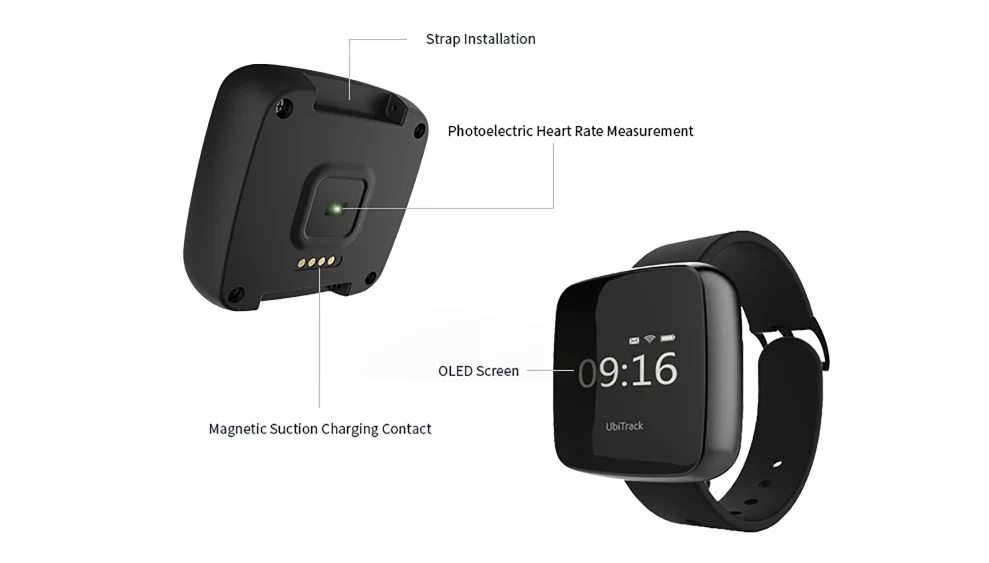
One of UbiTrack’s standout features is its real-time monitoring and data analytics. Managers and staff can access live updates on the location of assets, inventory levels, and movement patterns. For organizations using wearables, the system even integrates with Accurate Heart Rate Monitor Watch devices to track employee activity in certain operational areas. This data isn’t just about knowing where items are—it helps optimize workflows, reduce downtime, and make smarter operational decisions. With actionable insights, businesses can plan ahead, prevent bottlenecks, and improve overall efficiency.

User-Friendly and Scalable
UbiTrack is designed to be user-friendly and scalable, making it suitable for organizations of all sizes. Whether you’re a small office trying to manage a handful of devices or a large warehouse with thousands of items, UbiTrack can scale to meet your needs. Its intuitive interface ensures that staff can quickly learn how to track and locate assets using the Indoor Positioning Sensor and UWB Indoor Positioning System, without requiring extensive training or technical expertise.

Peace of Mind and Accountability
At its core, UbiTrack is about more than just technology—it’s about peace of mind. Knowing that every item, from inventory stock to office equipment, is being tracked accurately gives managers and employees confidence to focus on what matters most: productivity and growth. Accountability improves, losses decrease, and your operations run smoothly.

Conclusion
From inventory management to office asset tracking, UbiTrack keeps everything in check. Its real-time tracking, analytics, and scalability make it an essential tool for modern businesses. With Wireless Indoor Positioning and support for Accurate Heart Rate Monitor Watch integration, UbiTrack ensures that every asset is where it should be, exactly when you need it. Say goodbye to lost items, wasted time, and inefficiencies—UbiTrack brings control, precision, and peace of mind to your workplace.
Advantages and Disadvantages of Ultra-Wideband Technology

Ultra-Wideband (UWB) is a wireless communication technology that operates over a wide frequency spectrum (typically greater than 500 MHz). Unlike conventional narrowband systems, UWB transmits information by sending short-duration pulses over a wide frequency range, which allows for high data rates and precise positioning capabilities. UWB has gained significant attention in recent years due to its applications in areas such as indoor positioning systems, secure keyless entry, health monitoring, and wireless communication. However, like any technology, UWB comes with both advantages and disadvantages.

Advantages of UWB

High Precision Location Tracking

One of the standout features of UWB is its ability to provide highly accurate location tracking, often within a few centimeters. This makes it ideal for indoor navigation, asset tracking, and smart home applications where precise positioning is crucial. Solutions like UbiTrack have leveraged UWB to offer real-time tracking systems in warehouses, factories, and healthcare environments.

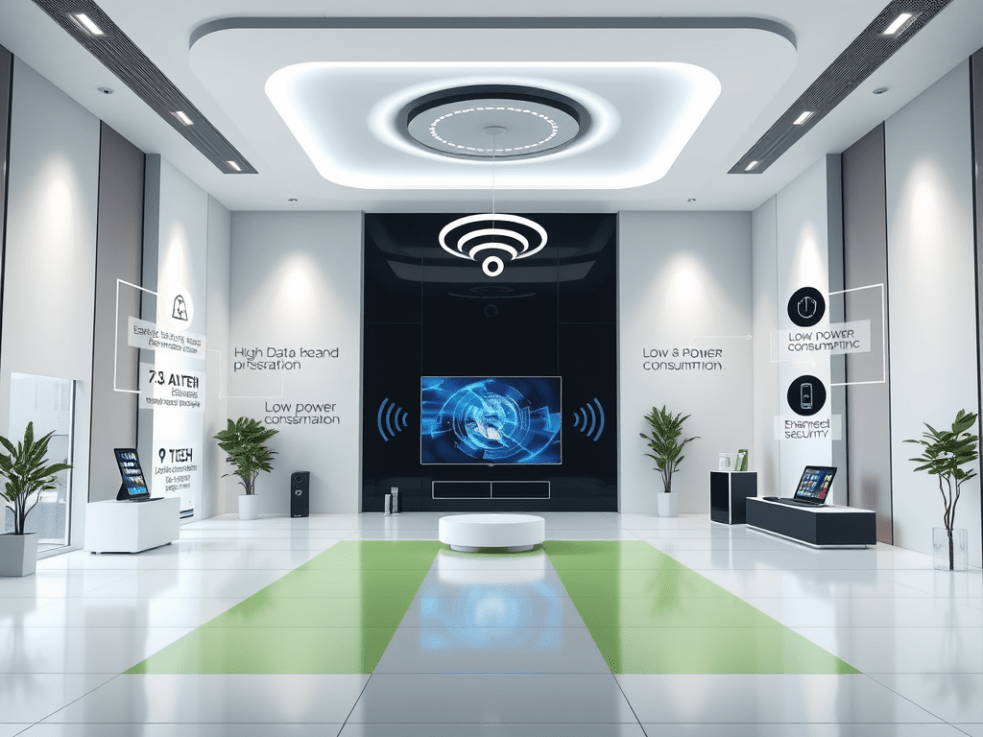
High Data Transfer Rates

UWB can transmit data at very high speeds over short distances. This is particularly useful for high-bandwidth applications such as streaming uncompressed video, wireless USB, and file transfers between devices.

Low Power Consumption

Despite its high data rate, UWB is known for its low power requirements, especially in comparison to other wireless technologies like Wi-Fi or Bluetooth. This makes it well-suited for battery-powered devices such as wearables and IoT sensors.

Resistance to Interference

Due to its wide frequency spectrum and low power spectral density, UWB is less susceptible to interference from other wireless technologies operating in the same environment. This results in more stable connections and improved performance in congested radio environments.

Enhanced Security

The short-range and pulse-based transmission of UWB signals make them more difficult to intercept or jam, offering enhanced security. This is why UWB is increasingly used in applications such as secure vehicle access and contactless payments.

Disadvantages of UWB

Short Range

While UWB excels in data speed and accuracy, its effective range is limited. It performs best over short distances (typically under 10 meters), which restricts its use in long-range communication scenarios.

Limited Adoption and Compatibility

UWB is not as widely adopted as other wireless technologies like Bluetooth or Wi-Fi. As a result, fewer consumer devices support UWB, which can limit its usefulness unless integrated into ecosystems by major manufacturers.

Higher Implementation Costs

The cost of implementing UWB technology, including specialized hardware and infrastructure, can be relatively high. This can be a barrier for small businesses or consumers looking for budget-friendly solutions.

Regulatory Challenges

UWB operates over a broad frequency spectrum that overlaps with other services, which can lead to regulatory restrictions in different countries. This variability can complicate international deployment.

Signal Attenuation and Obstruction

UWB signals can be significantly affected by physical barriers such as walls, metal, and water, which may reduce signal strength or accuracy in real-world environments.

Conclusion

UWB is a promising wireless communication technology with several significant advantages, particularly in precision tracking, high-speed data transmission, and low power consumption. However, its short range, limited adoption, and implementation costs pose challenges to its broader deployment. As UWB continues to be adopted in smart devices and automotive systems, platforms like UbiTrack demonstrate how the technology can be effectively used to create smart, efficient environments. With continued innovation and support from regulatory bodies, UWB has the potential to become a cornerstone of next-generation wireless systems.

Elevate Your Warehouse Operations with Advanced Stock Monitoring Technology

In the fast-paced world of warehousing and logistics, maintaining accurate stock levels and efficient inventory management is crucial. The introduction of advanced technology has revolutionized how warehouses monitor and manage their inventory. One of the most significant advancements in this area is the Warehouse Stock Monitoring Device. This sophisticated tool is designed to enhance the accuracy and efficiency of stock management, making it an indispensable asset for modern warehouses. In this blog post, we’ll delve into the benefits and functionalities of warehouse stock monitoring devices, and how they can transform warehouse operations.

The Role of Warehouse Stock Monitoring Devices

Warehouse stock monitoring devices are vital for efficient inventory management. With sensors, RFID tags, and real-time data capabilities, these devices accurately track inventory movements and levels. Integrating them into your warehouse operations provides oversight far beyond manual tracking methods. 

Enhancing Accuracy and Reducing Errors

These devices greatly reduce inventory tracking errors. Traditional methods, like manual counting, often lead to mistakes. Stock monitoring devices automate tracking, offering real-time updates and ensuring accurate, reliable data that helps prevent stockouts and overstocking.

Real-Time Inventory Management

Real-time data transforms inventory management. Warehouse stock monitoring devices provide live updates on stock levels, allowing managers to quickly address changes like restocking before inventory runs low or adjusting orders based on demand. This current information helps optimize inventory levels, reduce carrying costs, and enhance operational efficiency.

Streamlining Operations

Stock monitoring devices improve efficiency by automating inventory tracking, reducing the need for manual checks, and freeing up staff time. When combined with warehouse management systems (WMS), they provide key data insights and simplify operations.

Enhancing Security

These devices enhance security by logging inventory movements and access to sensitive areas. They help prevent theft and unauthorized access and generate alerts for unusual activities, providing an extra layer of protection and maintaining operational integrity.

Conclusion

In conclusion, the Warehouse Stock Monitoring Device represents a significant advancement in inventory management technology. Its ability to provide accurate, real-time data and streamline warehouse operations makes it an invaluable tool for modern logistics. By adopting these devices, warehouses can achieve higher levels of accuracy, efficiency, and security, ultimately leading to better inventory management and improved overall performance. As logistics needs evolve, using these technologies is crucial for staying ahead. Whether you are looking to enhance operational efficiency, reduce errors, or improve security, integrating a warehouse stock monitoring device into your operations is a step towards a more effective and streamlined warehouse management system

Transform Personal Health and Indoor Navigation with UWB Technology

Indoor positioning systems with ultra-wideband (UWB) technology and accurate heart rate monitor watches improve health monitoring and indoor navigation. These technologies will change indoor activities and health management. UWB indoor positioning system and heart rate monitor watch accuracy and potential for personal health management and indoor navigation of the UWB indoor positioning system and heart rate monitor watches are examined in this blog.

The Emergence of UWB Indoor Positioning Systems

Indoor positioning systems were transformed by UWB technology. More accurate than Wi-Fi or Bluetooth, UWB can pinpoint locations within centimeters. This precision allows indoor navigation, asset tracking, and spatial interactions in malls, airports, and large office buildings without GPS signals.

UWB technology sends billions of pulses at various frequencies. Pulses are analyzed to determine signal transmission times between UWB-enabled devices, enabling precise distance measurements. This capability improves location tracking and allows context-aware apps to interact with users based on their building location.

Accurate Heart Rate Monitor Watches: Personal Health Tracking Advances

Advanced personal health tracking is available with UWB heart rate monitor watches. Modern heart rate monitors use accurate, real-time sensors and algorithms. Beyond heart rate tracking, these devices show stress, cardiovascular health, and variability.

These watches must be accurate to optimize fitness, monitor health, and understand body responses to different environments and activities. Users can customize their exercise programs using precise heart rate data, sleep better, and manage stress.

UWB and Heart Rate Monitoring Improve Indoor Experiences

Indoor experiences and health management can be improved with UWB indoor positioning system and accurate heart rate monitor watches. UWB-enabled smart buildings could adjust lighting, temperature, and music to improve comfort and well-being based on location and physiological data.

In UWB-equipped gyms, heart rate monitor watches could guide users through personalized workouts, automatically adjusting to their optimal settings as they move through zones. This seamless interaction improves workouts and keeps people in optimal heart rate zones for safety and efficiency.

Applications and Implications for Healthcare and Indoor Navigation

The applications of UWB indoor positioning systems and Accurate Heart Rate Monitor Watch extend beyond personal fitness and comfort. These technologies could transform hospital and patient care. UWB systems track patients, staff, and medical equipment in real-time, improving efficiency and safety. Heart rate monitors can also provide continuous, accurate health data to improve patient monitoring and early disease detection.

UWB technology improves indoor navigation, making complex indoor spaces accessible to all, including disabled users. It could provide health-conscious users with personalized navigation solutions that reduce stress and physical exertion when combined with heart rate monitor data.

The Future of UWB and HRM

Integration of UWB and heart rate monitoring technologies should unlock more innovative applications. These technologies may soon be in smart homes and cities, giving people unprecedented environmental and health control.

These technologies can communicate with other smart devices and systems to personalize health and wellness programs, improve safety, and maximize indoor space. In a more connected and health-conscious world, UWB indoor positioning systems and accurate heart rate monitor watches will shape personal health management and indoor navigation.

Conclusion

UWB technology in indoor positioning systems and heart rate monitor watches will change how we navigate indoor spaces and manage our health. These technologies promise to improve indoor experiences, personal health management, and innovative applications in various sectors by providing unparalleled location tracking accuracy and real-time insights into our physical well-being. UWB and heart rate monitoring technologies can potentially change our lives.

Future Navigation: Indoor Navigation Positioning Systems and Health Tech

Innovation in technology is virtually limitless. This is especially true of health technology like smartwatches with heart-rate monitoring and indoor navigation positioning system. Once separate fields, these technologies are now combining to create cutting-edge applications that improve our daily lives in ways we never thought possible. 

Indoor Navigation Positioning System: A New Perspective on Space Use

GPS technology has historically served as the mainstay of outdoor navigation. Indoor Navigation Positioning Systems emerged as a result of their limitations indoors.  Wi-Fi, Bluetooth beacons, and sometimes augmented reality are used to provide accurate building location information. INPS technology revolutionizes navigation in large complexes like airports, shopping centers, and hospitals. INPS improves space utilization and user experience with real-time positioning data.

Wearable Smartwatches with Heart Rate Monitoring: a Health Technology Breakthrough

The development of the heart rate monitoring smart watch is a significant breakthrough in medical technology. These gadgets measure heart rate continuously, giving useful information that can be used, among other things, to track fitness or identify possible health problems early on since they can now monitor their heart rate while on the go, people are better prepared to pursue their fitness and health goals actively.

Interior Positioning System: Integrating Health Technology

The real excitement lies in the interaction of indoor positioning systems with wearable health technology, such as heart rate monitoring smartwatches. Imagine entering a gym that has an INPS. Along with directing you to a machine when one becomes available, your smartwatch modifies your workout according to your heart rate at that moment and historical performance data that is recorded and evaluated over time. By tracking heart rates and instantly alerting medical personnel to a patient’s precise location when assistance is needed, this technology can improve patient care in hospitals.

Conclusion

The combination of wearables and indoor positioning system is opening up new possibilities for applications that promise to improve both our health and how we interact with physical spaces. This convergence is about more than just technology; it is about making the world more responsive and connected, where technology improves our quality of life and daily existence. The possibilities are endless as these technologies develop and merge further, pointing to a time when health monitoring and navigation will work together seamlessly.

What Is An Indoor Position Tracking System?

Indoor position tracking system involves multiple devices connected over a network that aims at providing location tracing services for individuals and other holdings that cannot be traced via GPS or other location tracing systems such as satellites.

GPS and satellites are restricted to some extent and in some cases are unable to reach the location of the people or assets they wish to trace which can result in the provision of inaccurate results. That’s the reason why businesses have started adopting indoor positioning system Bluetooth as they can even provide results when the GPS fails. These systems are capable of tracking people and assets even at places where GPS and satellites fail to track.  

Most airports, remote workplaces, underground locations, mining sites, etc., tend to use indoor position systems as they provide functional insight into the movement of assets and people. It provides real-time directions and can even reach places where GPS cannot. There are various types of Indoor Positioning System Technology such as:  

Proximity-based systems

These systems can trace the location of a person or thing at room level in a specified facility. They make use of beacons and tags for tracking purposes. 

Wifi based systems

In such systems, the wifi transmitters transfer simple and smaller packets to numerous wifi access points given in a particular facility. Accordingly, the strength and point of time when the signals were received is sent to the backend by the access points which is calculated based on the algorithms set for computing the position of the target. Further, the information is sent to the cloud regarding the location of the target.  

Ultra Wide Band systems

To use an indoor position tracking system, the area needs to be covered with UWB anchors for indoor purposes to create a local setupThe UWB system makes use of three or more than three wide-band readers that send a wide pulse over a huge spectrum in GHz. The chirps are then heard by the readers that come from the wide-band tags that have an exciter deployed in them capable of creating pulses that cause short and instantaneous bursts. Accordingly, the readers measure the reported time and send it back to the central server.  

Infrared systems

The IR system makes use of infrared rays or pulses to track the signals within a building premise. To read the IR tag pulses, the IR receivers are installed in every room which further reads the pulses and tracks the location of the object or individual.

Know About the Different Types of Indoor Tracking and Positioning Technology!

Indoor positioning and tracking systems are highly effective technology that has a huge range of applications. They use the network in which receivers and transmitters work to provide a detailed picture of the movement of your assets and people in your facility. You can get real-time updates by using these devices. There are several kinds of positioning devices that you can get in the market. However, some people don’t know about the different options that you have in indoor positioning sensor so take a look.

Wifi-based systems!

These positioning and tracking systems use the same kind of system just like the wireless internet service. They work by tracking the ID number which is also known as the MAC address of every connected device. These devices have a range of around 150 meters which is more compared to most IPS systems. You can get all the updates through the internet without any issues from any place you want with RTLS Solutions.

Bluetooth system!

These kinds of positioning devices use short-range wireless technology. It is a commonly used technology that is used for pairing electronic devices like connecting headphones to smartphones. The Bluetooth positioning systems have a short range that is about 25 meters but it can be very accurate in 3 meters of range. The Warehouse Stock Monitoring Device is very useful in the areas where you already have Bluetooth-enabled assets.

Ultra-wideband IPS!

The non-removable tracking bracelet makes use of higher radio frequency compared to the wifi and Bluetooth devices. These positioning devices are best to use in the workplace which is crowded with materials that are disrupting the lower frequency such as thick walls and metal-related things. It is highly accurate and can easily locate the assets. The range of these devices is higher than the wifi and accurate too.

What Are The Reasons To Choose Indoor Location Tracking Devices?

Indoor location tracking devices are becoming more and more popular nowadays. Today many malls, airports, corporate businesses, and medical facilities are using these devices. Indoor tracking system are really helpful for business because they help you to know the position of all personnel and assets.

You don’t need to waste time to find out where this person is because you get all the information regarding their location. It’s amazing to use Small Stock Positioning Monitordevices on the valuable assets of your business so that you can keep track of their position. Listed below are the top reasons to invest in location tracking devices for your business.

Provides Actual Information

The finest thing about indoor location tracking devices is that they deliver real-time data about all the processes and activities happening in your workplace. You get the capability to access and comprehend real-time data about the location of a particular asset and persons. The Tamper Proof Wristbands help the business to develop a smart way of welcoming guests and enhancing their experience in your office.

Drives Efficiency

Another reason for using Ultra Wideband Positioning is that they are very helpful in knowing the paths if people don’t know about the location of your office. With the help of a tracking system, they can know the paths and know where the persons they want to meet are located. People are using location tracking devices in hospitals also for customer convenience.

Perfect for Tracking Assets

We all know that managing assets in large locations is quite challenging. If you lose any important assets then it can prove to be problematic for your business. There are some assets that are very valuable for the organization. With the help of an indoor positioning system, you can spot where the asset is located and even track its movement on the premises.

Check Out The Top-Notch Advantages Of Indoor Positioning Systems!

Indoor positioning systems have become very popular and are the best solutions for larger venues and areas. It is a technology that is meant to be used for tracking the people, objects, and other equipment in a particular area. You might not know but wireless indoor positioning sensor allow you to have navigation, mapping, asset tracking, and movement of one person or object from one place to another.

You can easily get real-time info about any person or object’s location at any moment with the help of indoor positioning systems. If you don’t know much about indoor positioning systems then you should take a look at the advantages of these systems.

Provides actual info!

You can get real-time information about anything that is happening in your office area by using the indoor positioning Software Starter Kit. People are using indoor positioning systems to know every detail about the crucial assets in their offices. You can find out the location of different objects and personnel at a precise time by deploying indoor positioning systems in your area.

Configuration of alerts!

Another amazing advantage of using a GPS Indoor Positioning System is that they can configure the alerts whenever there is a triggering situation. You will get instant alerts on your mobile through mail or text. You can also opt for setting an audible alarm so that it sounds whenever a highly expensive or crucial asset passes through the exit of your office area.

No chances of mistakes!

The indoor positioning systems have an automated tracking feature which makes them much more efficient than manual tracking. The Heart Rate Monitor Wristband removes any kind of human-made error so you can use it for the elimination of any mistakes. The indoor positioning system Bluetooth can issue alerts whenever valuable items are moving from the defined area in your office. The best thing is that it provides a quicker incidental response to the user.

Check Out the Advantages of Indoor Positioning Systems!

Indoor positioning systems are the most powerful technology, which has a different range of applications. By using a network of receivers and transmitters, these indoor positioning devices can easily give you a detailed picture of the movement of the assets as well as people in your facility. Indoor positioning systems are the greatest tool for individuals who want to keep their things safe and secure. The GPS Indoor Positioning System offers detailed location information on the tracked assets by making use of the network of transmitters and receivers. Listed below are some amazing advantages of indoor location positioning systems.

Real-time information!

One of the most amazing advantages of using the indoor positioning device is that you get real-time insights. You can easily find out where different assets or personnel are located at the precise moment. It’s also possible to monitor the movement of critical assets in your facility while working in your office. Every data that you get from the Accurate Heart Rate Monitor Watch is exact and reliable.

Inclusive management!

You should always select the tracking systems that offer you the management portals available wherever you need them. The management portals help you to know everything about the tracked assets in the dashboard, which is very easy to use. There is no need to check the paper logs to know who took the particular assets from the site.

No human error!

You should know that warehouse stock monitoring devices are very much more efficient than manual tracking. It is the reason that after installing these positioning systems in your area, there is no risk of human error. These devices can give you alerts whenever any asset passes the defined parameters of the area. These alerts are provided to the user through email, audible alerts, and texts. The response time of these positioning devices is way quicker, which means you can keep your assets and people safe.