Accurate Real-time Physiological Monitoring Systems

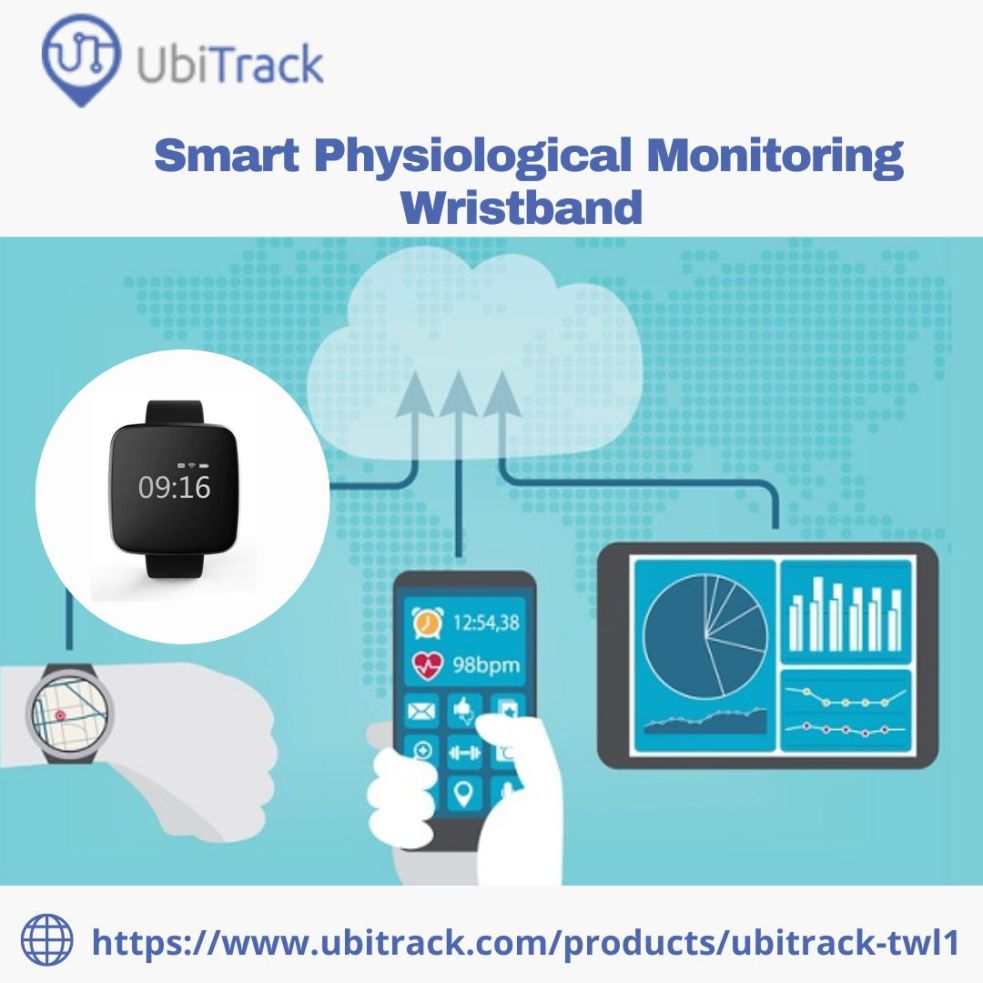
In the realm of healthcare and personal wellness, accurate and real-time physiological monitoring is of utmost importance. The ability to track and analyze vital signs and physiological parameters plays a crucial role in managing health conditions, optimizing athletic performance, and promoting overall well-being. UbiTrack, a leading provider of advanced monitoring systems, offers cutting-edge technology that enables accurate real-time physiological monitoring. With its innovative products like the heart rate variability tracker and accurate heart rate monitor watch, It is revolutionizing the way we monitor and manage our health.

Heart Rate Variability Tracker: A Window into Health

Heart rate variability (HRV) is a powerful indicator of overall health and well-being. It measures the variation in time intervals between consecutive heartbeats, providing insights into the autonomic nervous system’s function. UbiTrack’s HRV tracker allows individuals to accurately measure and monitor their HRV, giving them a deeper understanding of their physical and mental state. By analyzing HRV patterns, users can gain insights into stress levels, recovery status, and overall cardiovascular health. UbiTrack’s HRV tracker empowers individuals to take proactive steps toward improving their well-being and achieving optimal performance.

Accurate Heart Rate Monitor Watch: Precision in Real Time

Monitoring heart rate is a fundamental aspect of physiological tracking. Its accurate heart rate monitor watch offers precision and reliability in real-time. Whether during exercise, daily activities, or sleep, this advanced wearable device captures and analyzes heart rate data accurately. With its seamless integration into the monitoring system, users can access real-time heart rate information and track trends over time. The accurate heart rate monitor watch provides valuable data for tracking fitness levels, optimizing training intensity, and ensuring safety during physical activities.

Comprehensive Physiological Monitoring Equipment   

UbiTrack goes beyond heart rate monitoring and offers a wide range of physiological monitoring equipment. These innovative devices allow users to track parameters such as blood pressure, oxygen saturation levels, respiration rate, and sleep quality. By integrating multiple data points, Its physiological monitoring equipment provides a comprehensive picture of an individual’s health and well-being. This holistic approach empowers users to make informed decisions about their lifestyle, exercise routines, and overall health management.

Conclusion:

UbiTrack’s accurate real-time physiological monitoring systems are transforming the way we track and manage our health. From heart rate variability tracking to accurate heart rate monitoring and comprehensive physiological monitoring equipment, they offer innovative solutions for individuals seeking precise insights into their well-being. By leveraging the power of advanced technology, UbiTrack is empowering individuals to take charge of their health, optimize their performance, and lead healthier, more fulfilling lives.

To learn more about visit their website at https://www.ubitrack.com/. Explore the range of products and discover how they can help you achieve accurate and real-time physiological monitoring for improved health and well-being.

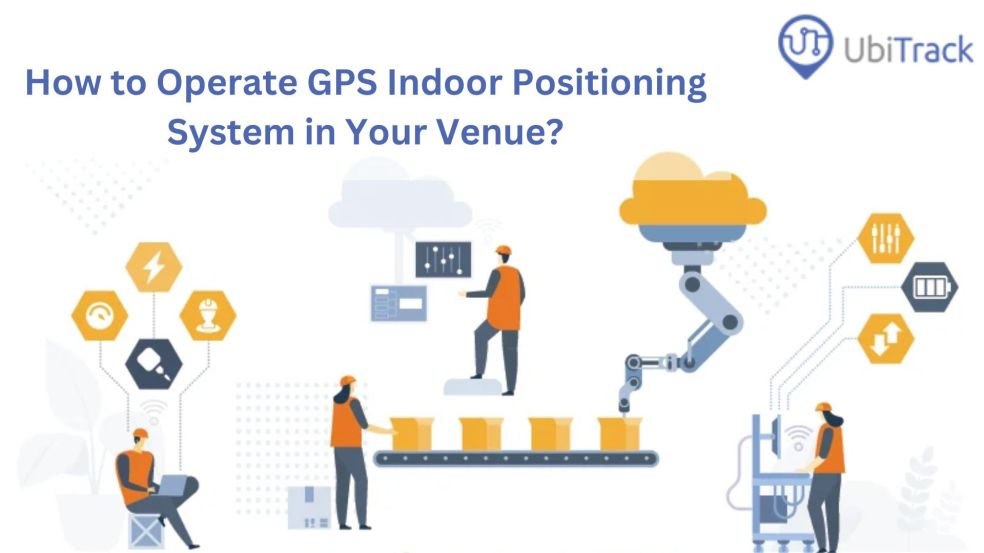
How to Operate GPS Indoor Positioning System in Your Venue?

Navigating large indoor venues can be a tricky business. But thanks to advancements in technology, GPS indoor positioning systems (IPS) have made it considerably easier. So, how can you operate one in your venue? Let’s dive right in!

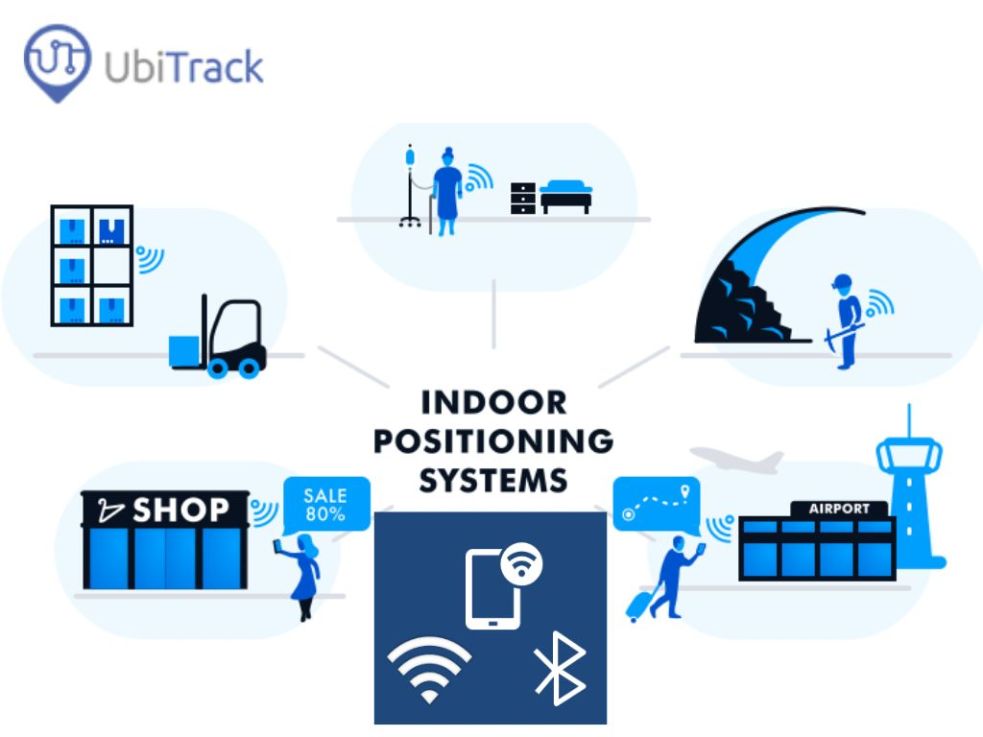
GPS indoor positioning has evolved to be a game-changer in various industries, including retail, healthcare, and event management. They leverage existing infrastructure, such as WiFi, to provide accurate real-time indoor positioning.

The first step in implementing an indoor positioning system in your venue involves understanding your specific needs and objectives. Are you aiming to enhance customer experiences, improve operational efficiency, or ensure safety within your venue? Once you’ve identified your goals, you can select a suitable IPS system.

The second step is system deployment. This involves installing WiFi access points throughout your venue and setting up the system on a server. This infrastructure forms the backbone of your WiFi indoor positioning service.

Once your system is in place, the next step is to customise your IPS to suit your venue’s specific requirements. This includes defining areas of interest and setting up notifications and alerts related to these areas. With a solution like UbiTrack’s GPS Indoor Positioning System, you can also integrate other features, such as asset tracking and personnel management.

Finally, you need to ensure that your system is user-friendly and provides a seamless experience. This can be achieved by incorporating a simple, intuitive user interface and ensuring the system’s reliability and performance.

In conclusion, integrating an Indoor Positioning System into your venue can streamline operations, enhance visitor experiences, and improve safety measures. Get in touch with UbiTrack today to discover how our GPS indoor positioning sensors can transform your venue. Remember, the future of indoor navigation is here, and it’s time to embrace it!

Unlocking Efficiency and Accuracy in Office Buildings with GPS Indoor Positioning System

In today’s fast-paced and dynamic office environments, efficient operations and accurate asset tracking are paramount. To achieve this, businesses are turning to advanced technology solutions such as GPS indoor positioning systems. At UbiTrack, we offer cutting-edge indoor positioning sensors and RFID positioning systems that revolutionize the way office buildings are managed and optimized. Let’s delve into how these innovative solutions unlock efficiency and accuracy in office buildings.

GPS Indoor Positioning System for Precise Location Tracking

This utilize a network of satellites to provide precise location information within indoor spaces. By deploying indoor positioning sensors strategically throughout the building, businesses can track the real-time location of assets, employees, and visitors. This enables efficient asset management, streamlined workflows, and enhanced security measures.

Indoor Positioning Sensor: High Accuracy for Enhanced Efficiency

One of the key components of our indoor positioning system is the indoor positioning sensor. These compact and wireless sensors are easily installed and can be integrated seamlessly into existing infrastructure. With their high accuracy and reliability, businesses can ensure precise tracking and monitoring of assets and personnel, leading to improved operational efficiency.

RFID Positioning System: Streamlined Asset Management

Additionally, our RFID positioning system complements the GPS indoor system by utilizing radio frequency identification (RFID) technology. RFID tags are attached to assets or worn by employees, allowing for automated tracking and identification. This system provides real-time visibility, enabling businesses to locate and manage assets with ease and accuracy.

Benefits of GPS Indoor Positioning in Office Buildings:

The benefits of implementing a GPS positioning system in office buildings are manifold. Firstly, it enables efficient space utilization by optimizing the allocation of resources and workstations. By understanding occupancy patterns and utilization rates, businesses can make informed decisions to maximize space efficiency.

Secondly, accurate asset tracking minimizes the risk of loss or theft, reducing the time and effort spent on locating misplaced items. Real-time tracking also enhances maintenance and inventory management processes, ensuring timely inspections and replenishment.

Furthermore, the combination of GPS indoor positioning and RFID positioning improves overall security measures. Businesses can monitor access to restricted areas, track the movement of personnel during emergencies, and implement effective evacuation procedures.

Experience the efficiency and accuracy of our GPS positioning system and RFID positioning system, with us. Explore our range of solutions and discover how we can transform your office building management.

In conclusion, GPS indoor positioning systems and RFID positioning systems are revolutionizing office building management by unlocking efficiency and accuracy. With UbiTrack’s state-of-the-art solutions, businesses can optimize space utilization, enhance asset tracking, and improve overall security. Embrace the power of GPS indoor positioning technology and RFID systems to streamline operations and drive productivity in your office environment.

Revolutionizing Indoor Navigation and Security with Cutting-Edge Technology

As technology continues to advance at a rapid pace, innovations like VM hardware version, WiFi indoor positioning, and tamper-proof wristbands have emerged as powerful tools to improve indoor navigation and enhance security. In this blog post, we’ll discuss the benefits of these state-of-the-art technologies and explore their potential applications across various sectors, with a particular focus on the solutions offered by UbiTrack.

VM Hardware Version: A New Era of Virtualization

VM hardware version, or virtual machine hardware version, refers to the virtual hardware compatibility level of a virtual machine (VM). As VM technology evolves, newer hardware versions are developed to support advanced features and functionalities, ultimately improving the overall performance of virtualized environments. By leveraging the latest VM hardware version, businesses and organizations can benefit from enhanced efficiency, flexibility, and scalability in their IT infrastructure.

WiFi Indoor Positioning: Navigating the Indoor Landscape with Precision

Traditional GPS technology struggles to provide accurate location data indoors due to signal interference from walls, ceilings, and other structures. WiFi indoor positioning offers a solution to this challenge, utilizing the existing WiFi infrastructure to determine the precise location of devices and individuals within an indoor space. UbiTrack provides cutting-edge solutions that harness the power of WiFi indoor positioning. This technology has numerous applications, including:

Indoor Navigation: WiFi indoor positioning can help users easily navigate large, complex buildings like malls, airports, and hospitals.

Asset Tracking: Businesses can employ WiFi indoor positioning to monitor the real-time location of valuable assets, ensuring efficient utilization of resources and preventing losses.

Emergency Response: In emergency situations, this technology can assist first responders in quickly locating individuals in need of assistance.

Tamper-Proof Wristbands: Enhancing Security and Authentication

Tamper-proof wristbands have become an indispensable tool for events, venues, and organizations seeking to improve security and authentication processes. These wristbands, made from durable materials and featuring tamper-resistant closures, provide a secure and reliable method for identifying authorized individuals. Applications of tamper-proof wristbands include:

Event Management: Event organizers can use tamper-proof wristbands to control access, streamline entry processes, and prevent unauthorized entry.

Healthcare Settings: Hospitals and other healthcare facilities can employ tamper-proof wristbands to accurately identify patients, ensuring proper treatment and medication administration.

Workplace Access: Companies can utilize tamper-proof wristbands to enhance security by ensuring that only authorized personnel have access to restricted areas.

Conclusion

Technological innovations like VM hardware version, WiFi indoor positioning system, and tamper-proof wristbands are revolutionizing the way we navigate indoor spaces and enhance security across various industries. By embracing these cutting-edge solutions, such as those offered by UbiTrack, businesses and organizations can benefit from improved efficiency, accuracy, and safety in their operations. As technology continues to advance, we can anticipate even more groundbreaking developments that will further transform our lives and streamline our daily activities.

Everything You Need to Know About PoE Motion Sensors and Switches

As the name suggests, a PoE Motion Sensor is a kind of light and motion sensor that is networked and powered by PoE. This standalone motion detector is cloud-connected. The dual motion sensor can respond to both light and motion and is configured for light threshold and motion sensitivity. One sensor can control several lights and many sensors can control one light. What are the perks of ordering a PoE sensor? Here’s all you need to know to determine whether it will be useful or not:

The Benefits of Investing in a PoE Cloud Motion Sensor 

Can be Configured Via Mobile Apps- Configuring PoE motion sensors is quite easy with the help of specialized apps that users download on their smartphones. Once you program the sensor that comes with a POE Switch Power Adapter, you can make the necessary changes in sensitivity settings and the timer to meet your unique requirements. 

Angle Adjustment- They have unique designs for ceiling and wall mount. You can adjust the head up and down at diverse angles. This feature offers you the ease of getting optimal angle adjustment for the best results.

Determine How the Sensor Will be Triggered- Many of these devices give users the autonomy to decide how the sensor will be triggered. So, you will be free to monitor whether the sensor will be triggered by light conditions or motion, or both. 

Multi-light Control- Gone are the days when one light or motion sensor could control one single light, the one attached to it. The advanced PoE light sensors these days can control various lights.

To Sum Up 

In conclusion, WiFi Indoor Positioning is of great use in many industries. The PoE motion sensors are even more powerful in enhancing the safety features of your home and office. 

What Are the Technologies Commonly Found in the Hospitality Sector?

Indoor Positioning System has benefited many industries and the hospitality sector is one of them. As it is cost-effective and easy to install, many hotels around the globe have already started relying on it for asset tracking and other facilities. Here are some of the latest technologies that you will find in modern hotels: 

  • Automated Check-In- This is an advanced system that helps guests complete the check-in process smoothly. A fully automated check-in process is convenient for all. Guests can avoid standing in the queue at the hotel’s reception desk. They can simply collect the keys to their respective rooms from the self-service stations. Automated check-in is of great use in airports as well.
  • Smart Rooms– Smart rooms come with a variety of interesting features such as smart thermostats, digital water temperature valves and sensors, automated lighting, motorized shades and curtains, and digital food menus. 
  • Asset Tracking– Thanks to the Indoor Navigation Positioning System, asset tracking has never been easier. It can IoT-based hotel that is equipped with asset tracking technologies, and the service staff can track objects like cleaning carts and luggage racks. Thanks to real-time monitoring, hotels can now streamline housekeeping tasks. 
  • Smart Locks– Just like a Heart Rate Monitoring Smart Watch helps people monitor their heart rate, smart locks improve safety. Guests can simply use an app as their room keys. So, this replaces the need for a traditional key card. Integrated security devices can be connected together and programmed as per various protocols. For instance, if there is a security threat, the device will instantly trigger door locks, emergency lighting, and audio alerts. 

Wrapping Up 

In the coming years, many more IoT trends will emerge in the hospitality sector. IoT is growing at a fast pace, and it is opening novel paths for hotels.

How Can Your Smart Watch Keep Your Heart Healthy?

Ever since their introduction, smartwatches have never stopped evolving. Earlier they were considered fashion accessories. But today, your smart watch can be the best friend of your health. From recording your sleep duration to tracking the number of steps you take daily; smartwatches can perform a range of functions. You can also wear a Heart Rate Monitoring Smart Watch and keep heart ailments like strokes at bay.

Heart rate monitoring with the help of smartwatches has become a common practice these days. The purpose of this technology is to help people monitor their heart health so that several cardiovascular diseases can be prevented. Modern Heart Rate Monitor Wristband comes with a wide range of heart-rate tracking features. From monitoring your heartbeat all day to alerting you whenever the heart rate spikes up unexpectedly, a smartwatch makes it easy for you to look after your heart. 

Wearable devices that have the heart rate calculating feature are used for promoting fitness and health. For instance, if you are working out at the gym, it will track your heart rate and get an accurate result. Even if many people have the misconception that these devices are meant for athletes, anyone can benefit from a heart rate measuring wearable. Just like RFID Positioning System tracks people and objects with the help of radio frequency, an IoT-based smartwatch is a kind of medical wearable that provides patients the information they require for achieving desired health outcomes. 

To Sum Up 

So, wearing a smartwatch that accurately captures your heartbeat makes sense. As it displays a person’s heart rate in real-time, it is possible to seek medical help and save a person’s life.  In addition, you can also be mindful of an ergonomic monitor position when you are at work to shield your body from several conditions like posture problems.

Know Everything About Indoor Positioning with the Help of Ultra-Wideband

In industrial environments, indoor tracking often needs extremely precise localization. So, industries need solutions that are based on UWB, a short-range radio technology. Even if it doesn’t work with Bluetooth, Wi-Fi, and other consumer standards, UWB Outdoor Positioning and indoor positioning offer remarkable accuracy.

The Functionality of Indoor Positioning with Ultra-Wideband Technology 

Ultra-wideband is of great use in indoor positioning. As opposed to Wi-Fi and Bluetooth Low Energy, positioning in UWB is done mainly with transit time technique instead of measuring signal strengths. This method is capable of measuring the running time light takes to reach from one object to several servers. So, multiple receivers are required for the exact localization of any item. In addition, the line of sight between the transmitter and the receiver must be direct.

UWB, as a wireless positioning system technology, is ideal for both server-based positioning and client-based positioning. While indoor navigation is a type of client-based positioning, asset tracking is an instance of server-based positioning. The basic difference between client-based and server-based positioning is that the former enables the determination of the position on a mobile phone. In infrastructure-based positioning, the calculation of positions is reflected on a server.

· Server-based Localization

Ultra-wideband can easily track an object that is fixed in its place. BLE positioning or any other sensor technology can detect the movement phases. This type of Physiological Monitoring Equipment is immensely useful in various industrial environments.

· Client-based Localization

Other than BLE (Bluetooth Low Energy), you can also use Ultra-wideband as a tool for client-based positioning on smart phones. It is known for its high-precision positioning along with low latency.

Wrapping Up

The bottom line is to remember that UWB can deliver fast and amazingly intact positioning. So, with this smart indoor navigation system, you can get ahead of your business rivals.

Out of POE, POE+ And POE++ Which One is the Best to Use?

Since the invention of power over Ethernet (POE) switches in 2003, technology has advanced significantly. In response to the expanding IoT market, the first generation 802.3af POE switch adapter was created, simplifying and lowering the cost of system design.

Work of POE Switches

A POE switch adapter has the ability to power devices across network wires since it has the Power over Ethernet feature built into it. This functionality enables it to transport speech, data, and electrical power across devices using a single Ethernet cable. Devices can still communicate with one another even when they are remote from a power supply. Because there is no need to run cables or create power outlets, using POE simplifies device installation while at the same time lowering expenses. The switches employ a safe, lower-than-mains voltage, but installation must be done carefully to protect equipment not made for POE from damage.

POE, POE+, and POE++

The amount of power delivered is the primary distinction between POE (IEEE 802.3af standard) and POE+ (802.3at). POE+ can deliver up to 30 watts over Cat5 cables with 25.5 watts available to devices, compared to POE’s 15.4 watts over the same medium.

A POE switch can handle maximum power usage of 15.4W per port at voltages between 44V and 57V. The connected PDs’ voltage, however, ranges from 37V to 57V.

  • Meters, such as those used to measure solar energy or inside temperatures, may typically be utilized with standard POE.
  • Simple VOIP phones that use the public internet.
  • Small Stock Positioning Monitor with wireless access points.
  • Security cameras that are fixed and do not pan, tilt, or zoom.
  • Switches for basic lighting systems, cameras, pool pumps, and small digital signs.
  • Loudspeakers and other powered step counter bracelets.

Ultra-wideband Technology for Outdoor and Indoor Tracking and Positioning

The past few years have witnessed phenomenal technological growth. Tracking and positioning technologies are the biggest examples of advancements in the field of technology. So, how does the ultra-wideband technology function and why do you need a UWB Watch

In simple words, Ultra-wideband is a wireless communication system that has several similarities to WiFi. It relies on a vast range of radio signals for determining location and distance with impressive accuracy. The uniqueness of these signals lies in the fact that are like short pulses, thus termed ‘pulse radios.’

How is UWB Different From WiFi?

Unline devices with WiFi or Beacons, UWB does not depend on signal strength for calculating an object’s position. It calculates the position of humans or items based on the time taken by the signal to travel from the tag attached to the object to the nodes installed in specific positions. 

How Useful is UWB for Outdoor Positioning? 

Ultra-wideband is known for its excellent level of precision. Several industries rely on Uwb Positioning Outdoor and indoor tracking and the accuracy can be between 10cm and 30cm. The accuracy depends on the number of UWB nodes installed as well as the environmental conditions of the space in which the nodes are deployed. If there are fewer disturbances and more nodes in an area, the more precise tracking will be. 

Benefits of UWB

  • As mentioned already, UWB is preferred by organizations for its accuracy.
  • UWB is noise resistant, and it doesn’t interfere with other existing communication systems.
  • UWB signals do not need too many nodes and they are perfect for lock distance tracking, making them ideal for big spaces like airports and malls. Employees can wear a Non-Removable Tracking Bracelet to be tracked easily.

Another reason why the Ultra-wideband is widely used for outdoor tracking is that it’s waterproof. So, you can expect accurate positioning even in the monsoon season.