How 2026 Will Be The Year Of Ultra-Precise Indoor Tracking

Technological breakthroughs are driving a major shift in indoor tracking. Modern systems no longer rely solely on Wi-Fi or Bluetooth, which are often inconsistent and prone to interference. Instead, they integrate ultra-wideband (UWB) sensors, motion capture systems, and computer vision algorithms to achieve centimeter-level precision, even in environments crowded with obstacles or metallic structures. Artificial intelligence and machine learning further enhance these systems, allowing them not just to locate objects, but also to predict movement patterns, enabling smoother workflows and more effective decision-making in real time. Tasks that once seemed impossible, such as tracking equipment across multiple floors or anticipating employee movements in a busy warehouse, are becoming routine. This is why businesses are increasingly investing in a High Accuracy Location Tracking System, and platforms like Ubitrack are leading the charge in delivering reliable, real-time insights.

Consumer Adoption and Smart Spaces

Consumers are beginning to experience the benefits as well. Smart homes, gyms, retail outlets, and entertainment venues are implementing indoor tracking to enhance convenience and personalization. Imagine a theme park in 2026 where every visitor’s location is monitored in real time to optimize ride queues, deliver personalized recommendations, or guide them through interactive experiences. In office environments, employees can quickly locate colleagues, meeting rooms, or shared equipment, making daily operations faster and more efficient. The technology is quietly revolutionizing everyday experiences, making spaces more intuitive and responsive to human needs, with solutions like a UWB Indoor Positioning System powered by platforms such as Ubitrack gaining traction.

Section image

Integration with AR and VR

Indoor tracking is also paving the way for breakthroughs in augmented reality (AR) and virtual reality (VR). AR glasses and VR headsets can pair with Indoor Positioning System technology to deliver immersive experiences for gaming, education, and professional training. Retailers can use AR navigation to help customers find products faster, while factories can overlay digital instructions on machinery for maintenance and training purposes. By combining spatial awareness with real-time analytics, indoor tracking is opening doors to interactions and experiences previously thought impossible.

Security and Safety Advantages

Security and safety benefits are another driving factor for adoption. Indoor tracking can help manage crowds, guide evacuations, and ensure the safety of employees or visitors in large or complex environments. Businesses handling high-value assets benefit from constant monitoring, reducing the risk of loss or theft. Hospitals and public spaces can leverage the technology to respond faster in emergencies, ultimately saving lives.

Why 2026 Will Be the Breakthrough Year

By 2026, ultra-precise indoor tracking is poised to become a standard tool rather than a specialized luxury. From improving operational efficiency in hospitals and warehouses to creating more immersive and personalized consumer experiences, the applications are vast. Industries and businesses that embrace this technology will gain a significant advantage, while everyday environments will become smarter and more intuitive. Platforms like Ubitrack exemplify how the era of centimeter-level, real-time indoor awareness is just around the corner, and 2026 promises to be the year it truly takes flight.

The Future of Location Tracking Is Here — And It’s INSANE!

Imagine a world where you never lose sight of anything indoors — from packages in a massive warehouse to patients in a hospital, or even athletes on a crowded sports field. This isn’t science fiction anymore. Thanks to a cutting-edge UWB Indoor Positioning System, real-time, centimeter-level indoor tracking has become a reality. Many organizations now integrate sensors to monitor environmental conditions alongside location data, creating a complete, high-precision monitoring system.

This technology is redefining location tracking with precision that was once unimaginable. Traditional GPS fails indoors, often providing meter-level inaccuracies, which can be disastrous in environments like hospitals, factories, or logistics hubs. Advanced systems employing TWR (Two-Way Ranging) and TDOA (Time Difference of Arrival) protocols, enhanced with proprietary algorithms, can pinpoint objects with extraordinary accuracy — down to the centimeter. This makes it a High Accuracy Location Tracking System unlike anything previously available.

Flexible and Versatile Applications

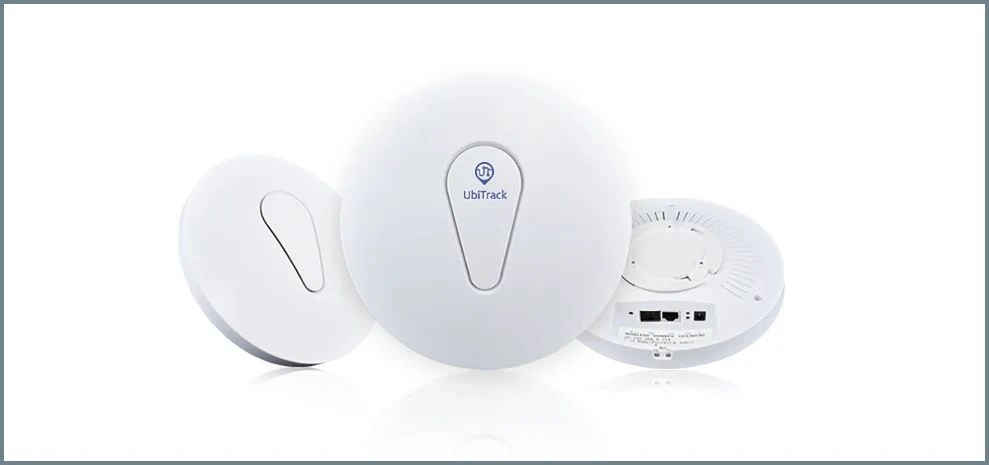
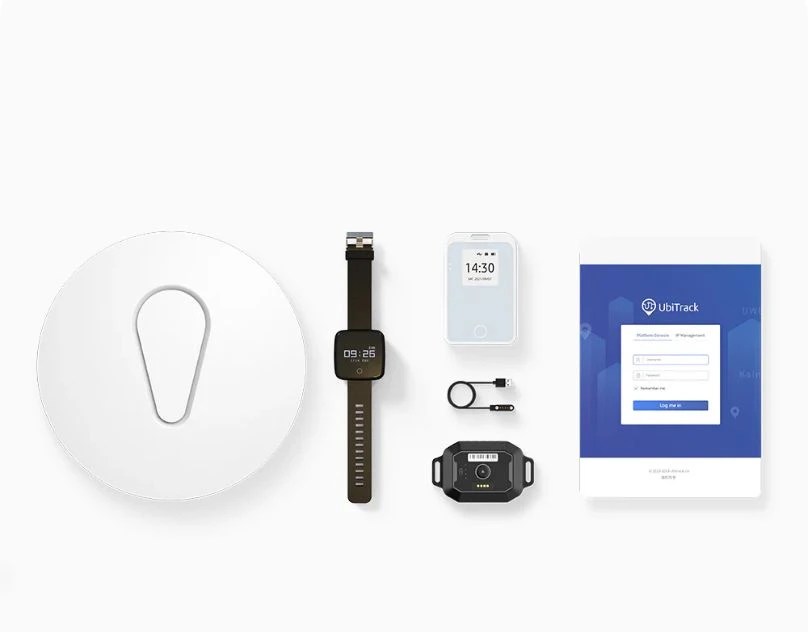
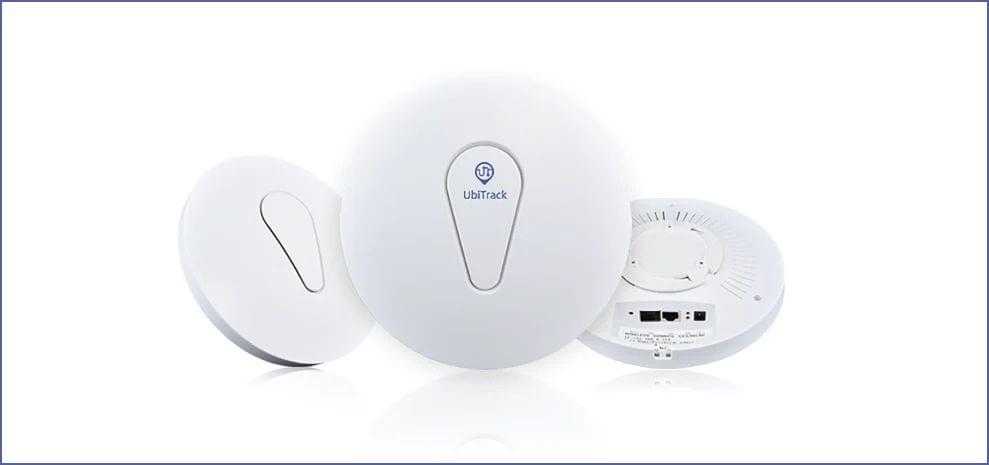
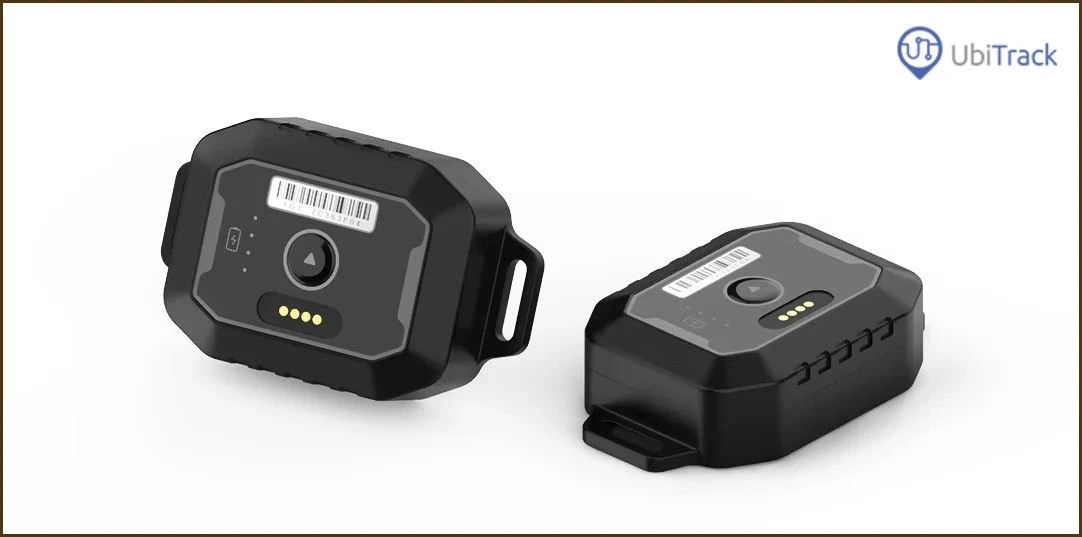
The system relies on UWB Anchors For Indoor environments, strategically placed around the area and tracking tags attached to people or objects. Whether it’s monitoring elderly residents in a care home, supervising sensitive materials in a petrochemical plant, or optimizing workflows in an intelligent factory, the possibilities are vast. Managers can track, monitor, and even store massive amounts of positional data from anywhere in real time, making it one of the most effective RTLS Solutions on the market today.

Section image

Intelligent Management and Insights

The real power of these tracking systems is not just in locating assets but in intelligent management. Electronic fences allow users to define zones and receive alerts when a person or asset enters or leaves a specific area. Historical track playback enables managers to review movements over time, detect inefficiencies, and make data-driven decisions. For industries where safety, efficiency, and accountability are paramount, this technology is nothing short of revolutionary.

Transforming Healthcare

Healthcare is another domain where indoor positioning systems shine. Hospitals and care facilities can ensure patient safety with tamper-proof wristbands or wireless tracking badges. Staff efficiency is improved, emergency response times are reduced, and sensitive equipment is never lost or misplaced. Meanwhile, logistics and warehousing operations benefit from tags equipped with environmental monitoring, keeping track of temperature, humidity, and movement — ensuring goods arrive in perfect condition.

Revolutionizing Sports and Entertainment

Even sports and entertainment venues can benefit from high-precision tracking. Imagine analyzing player movements on a soccer field or ensuring secure access in large stadiums. The system’s versatility extends beyond industrial or healthcare applications, making it a truly universal solution.

A Glimpse Into the Future

In short, UbiTrack is not just a tracking system; it’s a glimpse into the future of spatial intelligence. By transforming how we monitor, manage, and optimize environments, it’s setting a new standard for precision, safety, and efficiency. Whether for industrial, healthcare, or smart building applications, this next-generation system proves that the future of location tracking isn’t just coming — it’s already here, and it’s absolutely insane.

This Is What Happens When GPS Meets Super Precision — And It’s Insane!

Imagine a world where you don’t just know where something is — you know its exact location down to the centimeter, even indoors, underground, or in a massive warehouse. Traditional GPS has been a game-changer outdoors, but it struggles inside buildings. Thick walls, complex layouts, and crowded spaces make standard GPS unreliable. That’s where UbiTrack comes in, combining GPS concepts with ultra-precise positioning technology to deliver jaw-dropping accuracy that feels almost like magic.

How Super-Precision Tracking Works

At the heart of this technology is a powerful Indoor Navigation Positioning System, built on a network of strategically placed anchor nodes and advanced algorithms like Two-Way Ranging (TWR) and Time Difference of Arrival (TDOA). These technologies enable UbiTrack to calculate the exact position of tags with stunning precision — often within just a few centimeters. Whether tracking people, machinery, or valuable assets, the system delivers live, real-time data that businesses and organizations can act on instantly.

Section image

Revolutionizing Industries Across the Board

The real-world applications are nothing short of revolutionary. In hospitals, staff can instantly locate critical medical equipment, speeding up response times and improving patient care. Elderly care facilities create safe zones that trigger alerts if residents move outside designated areas, reducing accidents and enhancing peace of mind. In industrial environments, factories and warehouses optimize workflow by knowing exactly where machinery and personnel are at all times, which reduces downtime and boosts efficiency. Even sports arenas are using real-time tracking to gain deep insights into athlete performance and strategy.

Smart Visualization and Alerts

This High Accuracy Location Tracking System doesn’t just track locations — it transforms raw positioning data into actionable intelligence. Each tag communicates wirelessly with strategically placed anchors, while the software visualizes movements on a live digital map in real time. Users can set up “electronic fences” that trigger instant alerts when objects enter or leave specific areas. Historical movement replay enables detailed operational analysis, helping businesses refine workflows and eliminate bottlenecks. For security-conscious organizations, it also provides immediate notifications for unauthorized access or misplaced assets.

Beyond Positioning: Environmental Monitoring

Some tags include sensors for temperature, humidity, and other environmental factors. This integration allows warehouses, laboratories, and chemical plants to monitor sensitive shipments while keeping track of their exact location in real time. Imagine knowing that a temperature-sensitive package is both safe and exactly where it needs to be — it’s not just tracking; it’s combining intelligence and precision for smarter decision-making.

The Wow Factor: Why Everyone Is Talking About It

Part of what makes UbiTrack viral is its “wow factor.” As a powerful Small Stock Positioning Monitor, it allows businesses to track even compact, high-value items with remarkable accuracy. Seeing a badge, drone, or piece of equipment move across a building map with centimeter-level precision is mesmerizing. Videos and case studies showcasing its use in hospitals, warehouses, and factories are being shared widely. From tracking drones in massive hangars to analyzing athlete performance, the applications are limitless — and the results are instantly shareable.

The Future of Tracking Is Here

This system transforms vague GPS data into precise, actionable intelligence. It’s not just about knowing “where” something is; it’s about knowing “exactly where, right now.” The technology saves lives, prevents accidents, improves operational efficiency, and even adds an element of futuristic wow that feels almost science-fictional. The future of tracking has arrived, and it’s insanely precise.

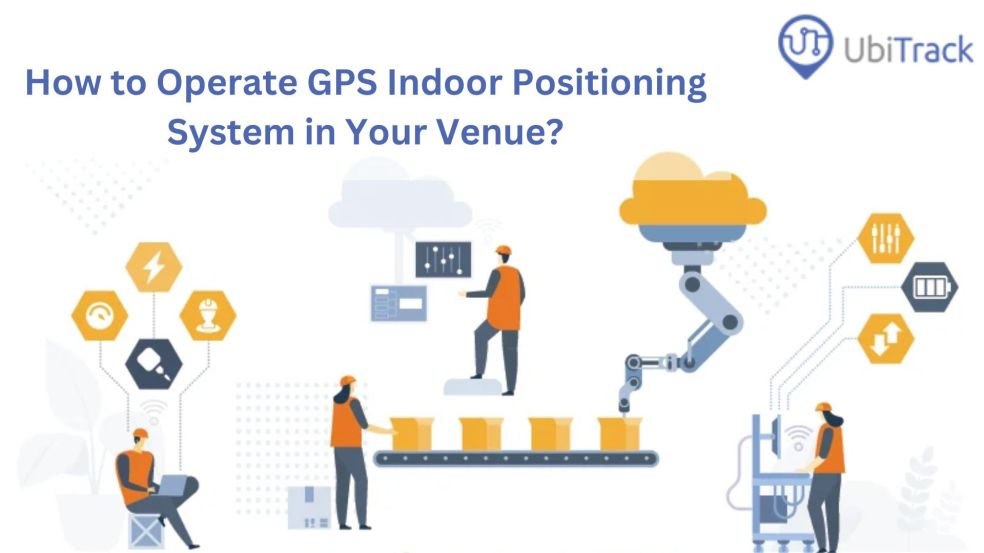
How to Operate GPS Indoor Positioning System in Your Venue?

Navigating large indoor venues can be a tricky business. But thanks to advancements in technology, GPS indoor positioning systems (IPS) have made it considerably easier. So, how can you operate one in your venue? Let’s dive right in!

GPS indoor positioning has evolved to be a game-changer in various industries, including retail, healthcare, and event management. They leverage existing infrastructure, such as WiFi, to provide accurate real-time indoor positioning.

The first step in implementing an indoor positioning system in your venue involves understanding your specific needs and objectives. Are you aiming to enhance customer experiences, improve operational efficiency, or ensure safety within your venue? Once you’ve identified your goals, you can select a suitable IPS system.

The second step is system deployment. This involves installing WiFi access points throughout your venue and setting up the system on a server. This infrastructure forms the backbone of your WiFi indoor positioning service.

Once your system is in place, the next step is to customise your IPS to suit your venue’s specific requirements. This includes defining areas of interest and setting up notifications and alerts related to these areas. With a solution like UbiTrack’s GPS Indoor Positioning System, you can also integrate other features, such as asset tracking and personnel management.

Finally, you need to ensure that your system is user-friendly and provides a seamless experience. This can be achieved by incorporating a simple, intuitive user interface and ensuring the system’s reliability and performance.

In conclusion, integrating an Indoor Positioning System into your venue can streamline operations, enhance visitor experiences, and improve safety measures. Get in touch with UbiTrack today to discover how our GPS indoor positioning sensors can transform your venue. Remember, the future of indoor navigation is here, and it’s time to embrace it!