
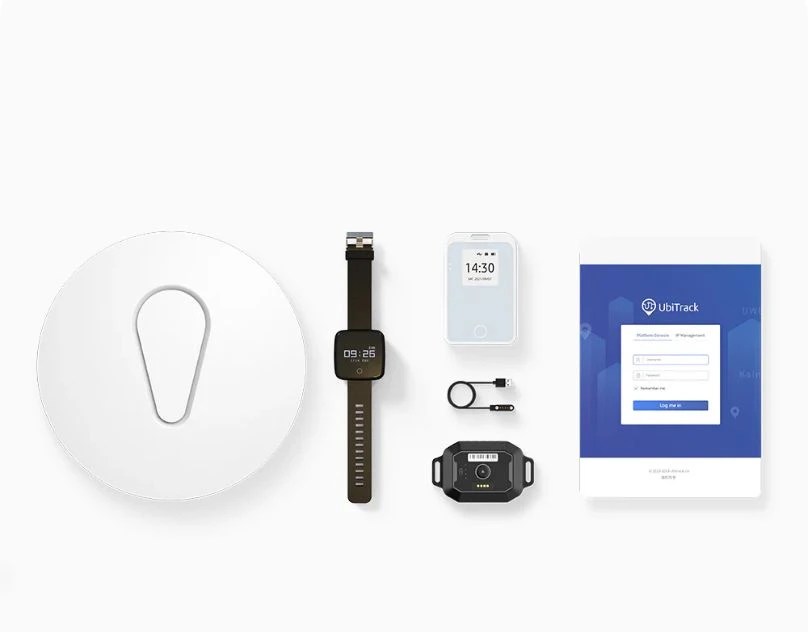
Technological breakthroughs are driving a major shift in indoor tracking. Modern systems no longer rely solely on Wi-Fi or Bluetooth, which are often inconsistent and prone to interference. Instead, they integrate ultra-wideband (UWB) sensors, motion capture systems, and computer vision algorithms to achieve centimeter-level precision, even in environments crowded with obstacles or metallic structures. Artificial intelligence and machine learning further enhance these systems, allowing them not just to locate objects, but also to predict movement patterns, enabling smoother workflows and more effective decision-making in real time. Tasks that once seemed impossible, such as tracking equipment across multiple floors or anticipating employee movements in a busy warehouse, are becoming routine. This is why businesses are increasingly investing in a High Accuracy Location Tracking System, and platforms like Ubitrack are leading the charge in delivering reliable, real-time insights.
Consumer Adoption and Smart Spaces
Consumers are beginning to experience the benefits as well. Smart homes, gyms, retail outlets, and entertainment venues are implementing indoor tracking to enhance convenience and personalization. Imagine a theme park in 2026 where every visitor’s location is monitored in real time to optimize ride queues, deliver personalized recommendations, or guide them through interactive experiences. In office environments, employees can quickly locate colleagues, meeting rooms, or shared equipment, making daily operations faster and more efficient. The technology is quietly revolutionizing everyday experiences, making spaces more intuitive and responsive to human needs, with solutions like a UWB Indoor Positioning System powered by platforms such as Ubitrack gaining traction.
Integration with AR and VR
Indoor tracking is also paving the way for breakthroughs in augmented reality (AR) and virtual reality (VR). AR glasses and VR headsets can pair with Indoor Positioning System technology to deliver immersive experiences for gaming, education, and professional training. Retailers can use AR navigation to help customers find products faster, while factories can overlay digital instructions on machinery for maintenance and training purposes. By combining spatial awareness with real-time analytics, indoor tracking is opening doors to interactions and experiences previously thought impossible.
Security and Safety Advantages
Security and safety benefits are another driving factor for adoption. Indoor tracking can help manage crowds, guide evacuations, and ensure the safety of employees or visitors in large or complex environments. Businesses handling high-value assets benefit from constant monitoring, reducing the risk of loss or theft. Hospitals and public spaces can leverage the technology to respond faster in emergencies, ultimately saving lives.
Why 2026 Will Be the Breakthrough Year
By 2026, ultra-precise indoor tracking is poised to become a standard tool rather than a specialized luxury. From improving operational efficiency in hospitals and warehouses to creating more immersive and personalized consumer experiences, the applications are vast. Industries and businesses that embrace this technology will gain a significant advantage, while everyday environments will become smarter and more intuitive. Platforms like Ubitrack exemplify how the era of centimeter-level, real-time indoor awareness is just around the corner, and 2026 promises to be the year it truly takes flight.

